Under The Surface
EXPERT GUIDELINES & PRACTICE
What’s growing on your wood?
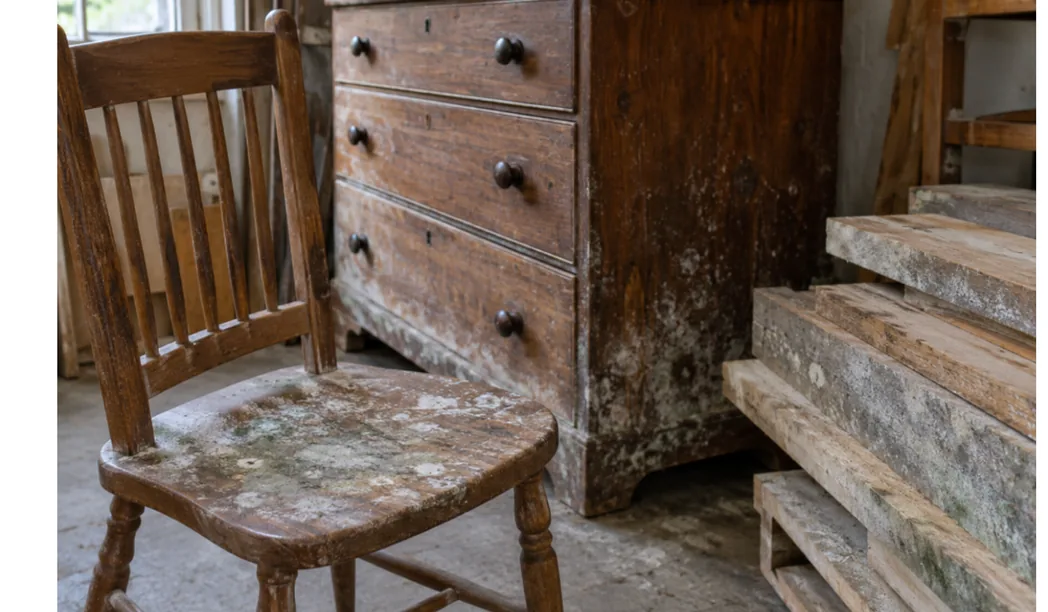
Wooden products are found in nearly every industry, as racks and pallets, in furniture, and even as packing containers.
However, as wood is naturally organic and can absorb and retain moisture well, it is highly susceptible to mold contamination.
In highly humid environments, mold can colonize wood surfaces. It typically begins as staining that affects visual quality, and prolonged moisture can open the way for wood-decay fungi that cause structural damage. Mold growth also releases spores and metabolites. These spores can threaten manufactured goods and may also degrade indoor air quality and raise health risks.
Understanding the environmental conditions that promote mold growth, and applying preventive measures, can reduce the hazards that mold poses to wooden products. This article will deep dive into the mold that you so often see on wood. Looking forward, studies should refine monitoring tools and treatments to further reduce mold risk and enhance the durability of wooden products.
How Mold Takes Root
The organic makeup of wood consists of various nutrients that can also be used by mold as a food source, such as sugars and nitrogen compounds. Since mold spores are practically everywhere in the air, they are constantly settling onto wooden furniture and structures. But how do they go from invisible specks to fuzzy patches?
The growth process begins when a spore decides to germinate. Germination requires sufficient moisture, typically reached when the surrounding relative humidity (RH) rises to 75–80% or more. The spores soak up water and kick off the germination process. Water activity (a_w) on the wood surface is the key parameter; most molds need an a_w above about 0.80 to thrive, which corresponds to roughly 80% equilibrium RH.
Once awake, the spores sprout microscopic, thread-like structures called hyphae. These threads grow, branch out, and weave together in and on the wood, creating sprawling colonies, which makes mold visible to the naked eye.
How fast these hyphae grow depends heavily on environmental conditions, especially temperature and humidity. Most indoor molds love temperatures between 20-35°C, though there are some exceptions. For instance, Aureobasidium pullulans can thrive in temperatures as low as 5.5°C, explaining why you might still spot it on wood stored outside during the winter.
In the real world, temperature and humidity rarely stay constant. When humidity drops, mold doesn’t necessarily die but only pauses. Hyphae stop growing for some time, dehydrating and shrinking until conditions improve. This adaptive mechanism allows mold to survive under unstable and unfavorable situations.
To feed, mold secretes enzymes that break down readily available nutrients such as sugars and starch in the wood; wood-decay fungi, by contrast, degrade structural polymers such as cellulose and lignin. It loves easy targets like the sugars found abundantly in sapwood or kiln-dried surfaces. Each type of wood has its own resistance mechanism, depending on its chemical composition, cell structure, and water absorption properties. Treatments like thermal modifications or chemical preservatives can alter these properties, enhancing the wood to be more mold resistant.
Finally, once the colony reaches maturity, it releases a fresh batch of spores back into the air, ready to start the cycle all over again.
The Mold Magnet
Understanding the conditions that promote mold is essential for assessing risk and building prevention strategies.
Environmental Parameters
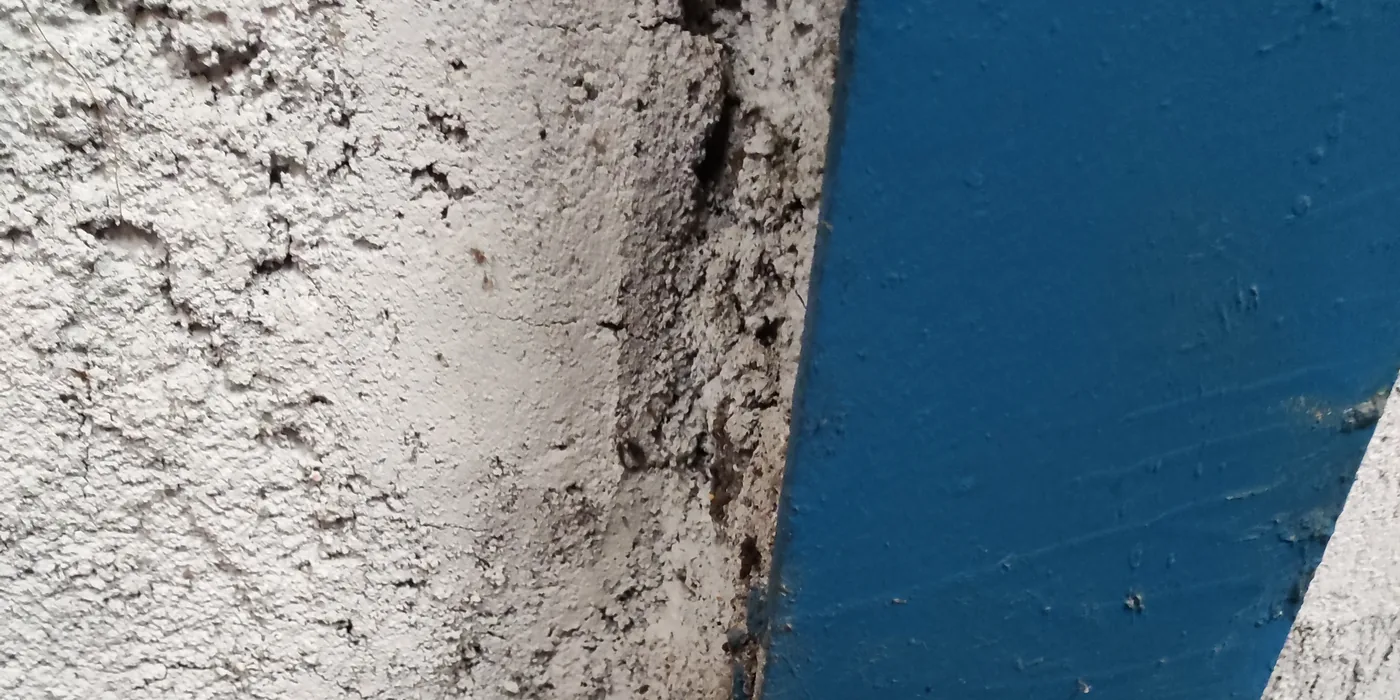
Relative Humidity is the main driver of mold, especially in stuffy, poorly ventilated spaces. Growth becomes possible at about 75–80% RH, but at 97% RH, barely visible mold can spread to cover 50% of the surface within a single month.
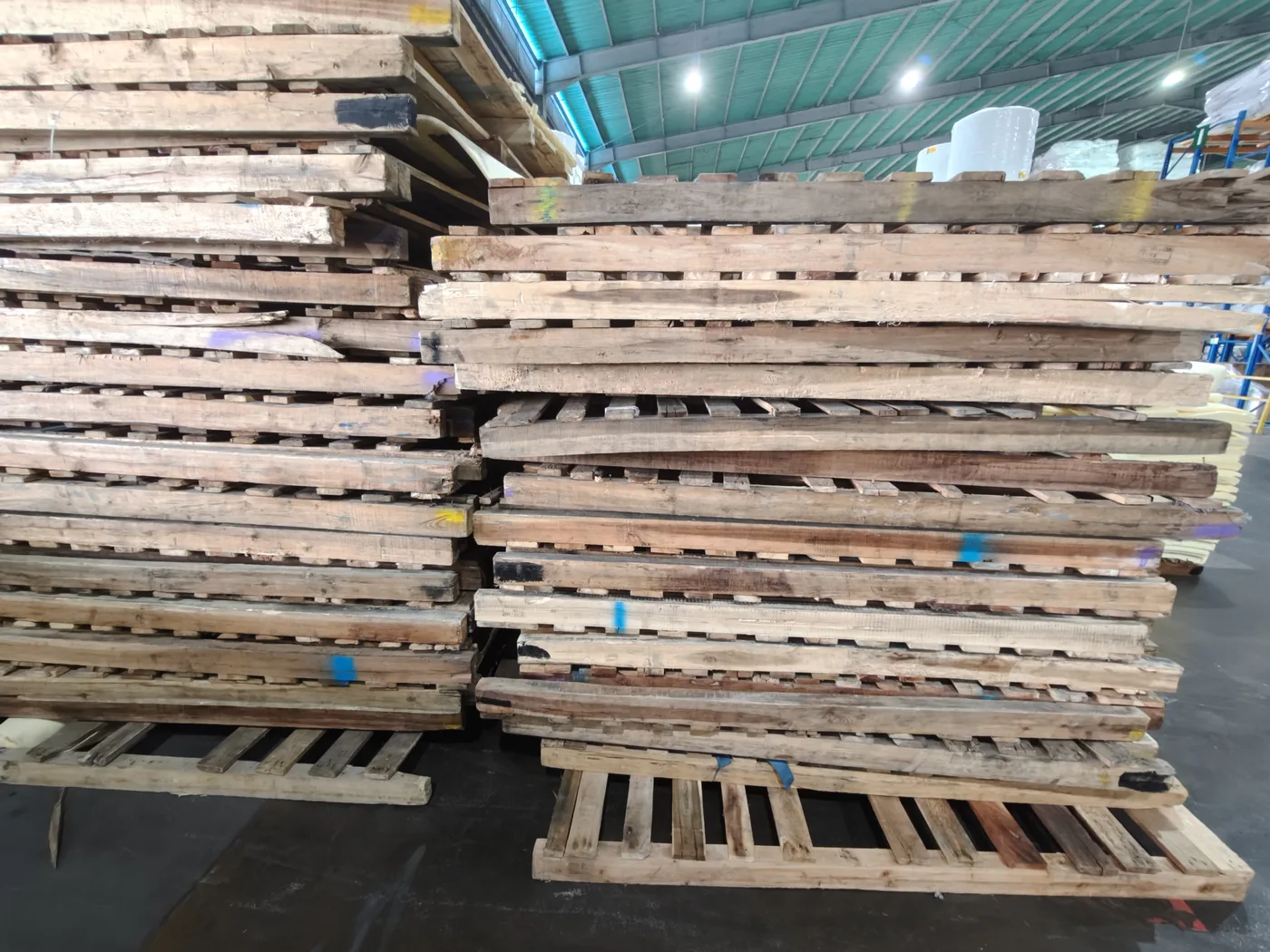
Photo: Mold Research Center
Temperature affects growth rate. The ideal temperature for most molds is 20-35°C. Storing products below 15°C can reduce the risk.
Weather Conditions tend to fluctuate. Mold grows slower under shifting RH than under a constant high humidity. It’s all about how long conditions stay favorable, and dry periods can halt growth.
Storage conditions with fluctuating humidity affect how quickly mold develops.
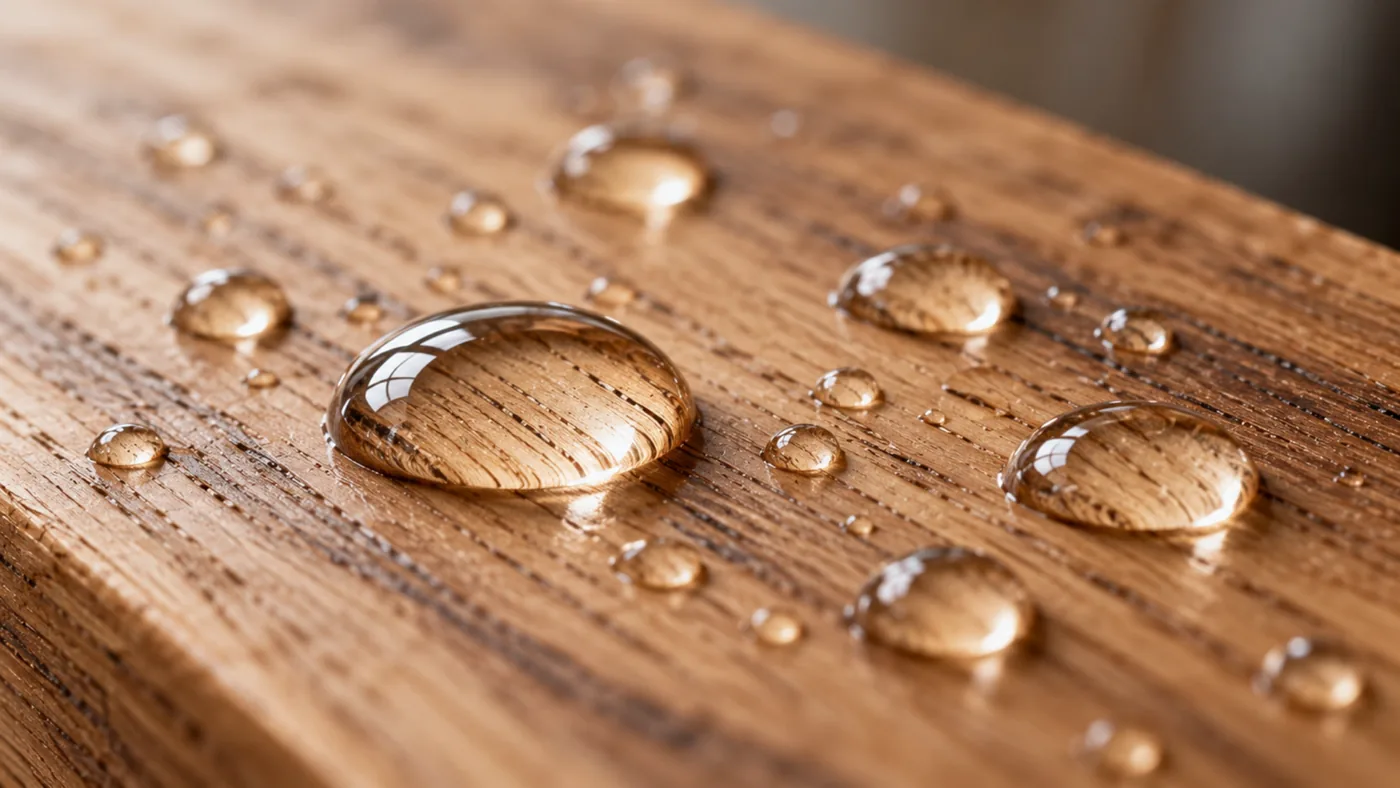
Wood type is broadly classified as softwood (gymnosperms) or hardwood (angiosperms). Softwoods (e.g., pine and spruce) generally contain more sugars and nutrients. Although more mold-prone, they remain a low-cost choice for temporary packaging, pallets, and support frames, provided moisture is controlled. Hardwoods (e.g., oak heartwood) are typically denser, lower in nutrients, and more durable, which makes them common choices for heavy-duty workbenches and storage racks.
Heat-treated Wood has a lower equilibrium moisture content and absorbs less humidity. Its lower moisture uptake suits it to humid applications such as cold storage rooms, food-processing areas, and sauna interiors.
Planed Wood Surfaces are smoother and expose fewer soluble nutrients, giving mold less footholds than rough-sawn surfaces.
Hygroscopicity is the tendency of wood to take up moisture from the air, which increases susceptibility to mold. Modified woods, such as acetylated pine sapwood, have a lower equilibrium moisture content and absorb less water.
Chemical Composition strongly influences resistance, and treatments can add protection. Examples include 1,3-dimethylol-4,5-dihydroxyethyleneurea (DMDHEU) resin, acetylation, and biocide coatings.
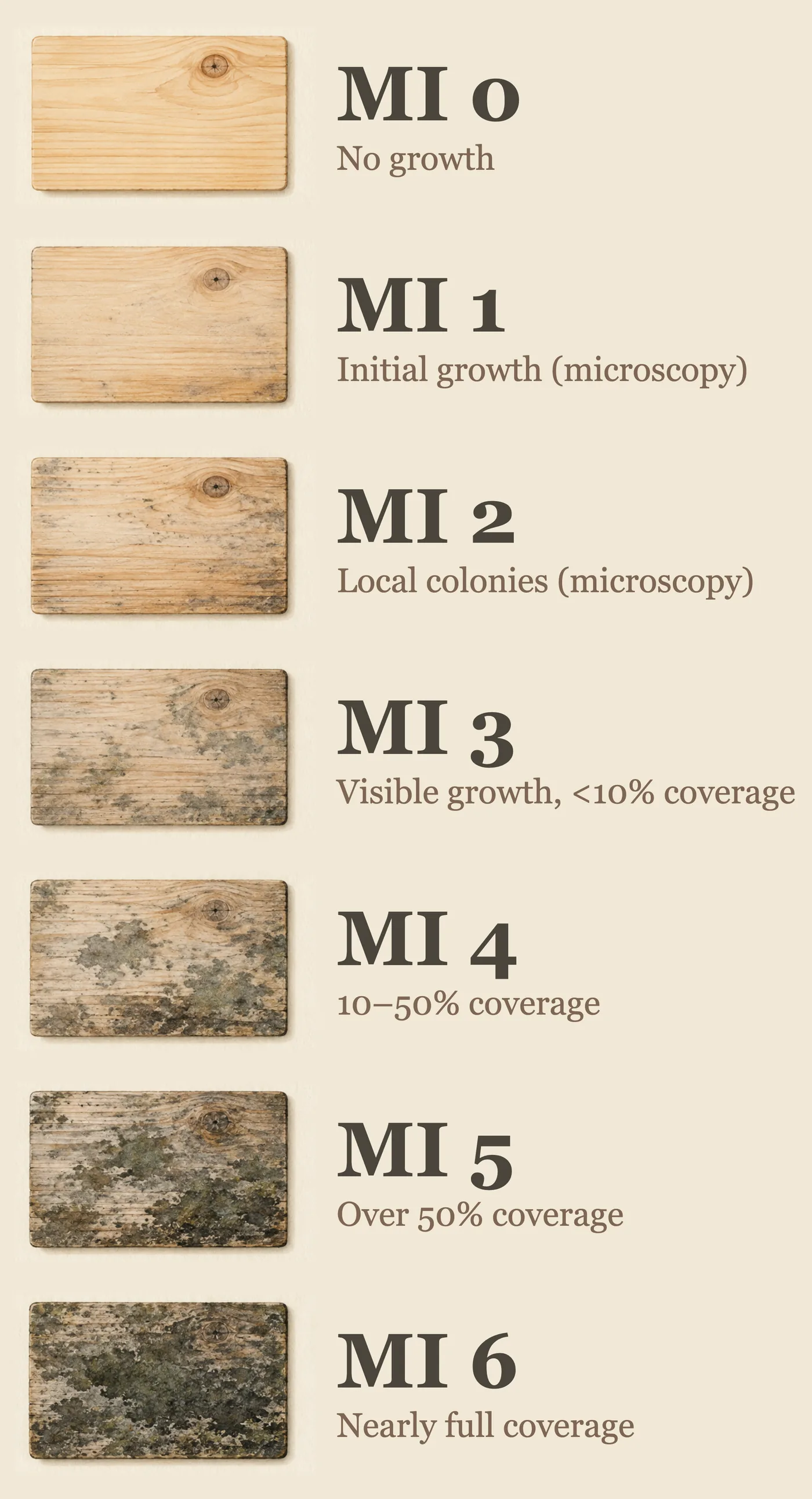
Mold on wooden materials is an example of a biodegradation process driven by environmental factors and material properties. The onset of mold depends on how long these vulnerable materials are exposed to favorable, humid conditions. Using the Mold Index (MI) helps assess mold risk before it damages inventory.
Controlling mold requires a multi-layered strategy: monitoring humidity and temperature during storage and transit, choosing naturally resistant wood, and applying mold-prevention treatments.