Compliance Code
EXPERT GUIDELINES & PRACTICE
How regulations shape modern materials
Keeping materials pristine is non-negotiable.
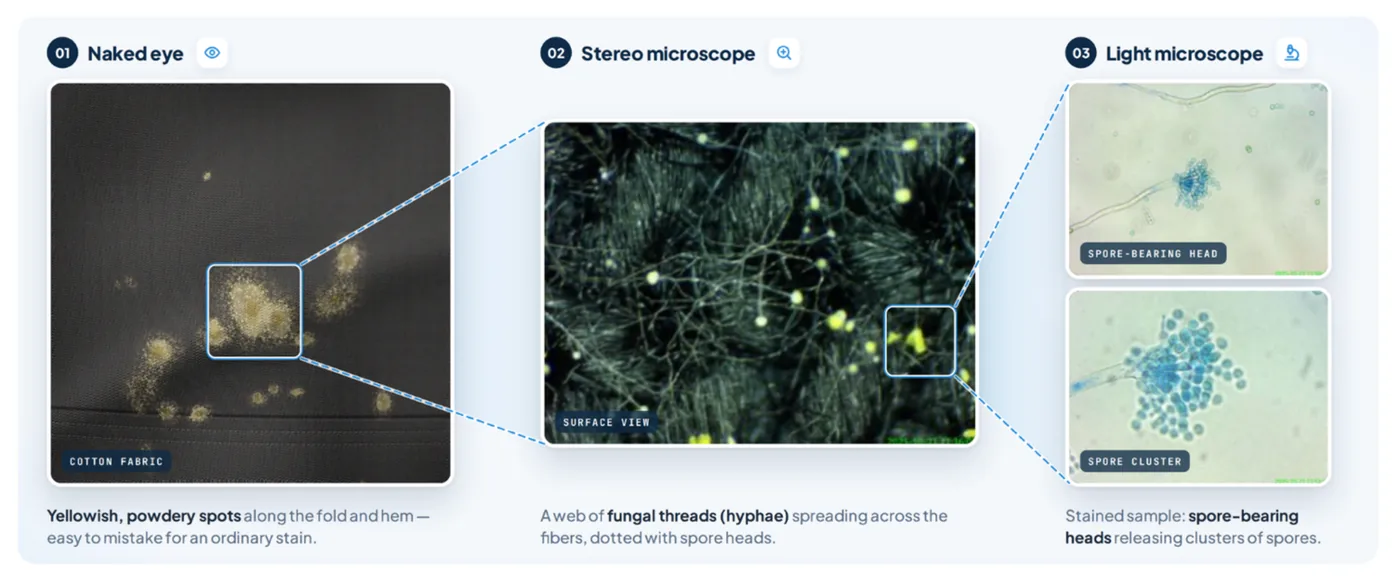
Mold is a relentless threat to any material, including wood and textiles. It can ruin finished goods even before it becomes noticeable. Material preservation starts with clean raw materials, hygiene during production, and strict environmental control through shipping.
Regulations and Standards
Many international standards are designed to keep materials free from decay.
Standards like ISO 21887 and EN 335 define use classes that link a wood product’s service environment to the durability it needs against fungi and moisture. For textiles, ISO 13629 evaluates how resistant it is to fungal contamination and ISO 139 specifies the required temperature and humidity conditions. EU REACH regulates the chemical substances used in these treatments, while the EU Biocidal Products Regulation governs the antifungal biocides and preservatives approved for wood, textiles, leather, and other materials.
Wooden Materials
Wood-based products are divided into five classes based on environment and moisture exposure. Dry indoor wood at low risk needs no heavy chemical fungicides, while outdoor wood exposed to frequent rain needs a water-repellent sealant. The ISO 21887 requires builders and manufacturers to match wooden product’s preservative treatment to the environment it will be used in.
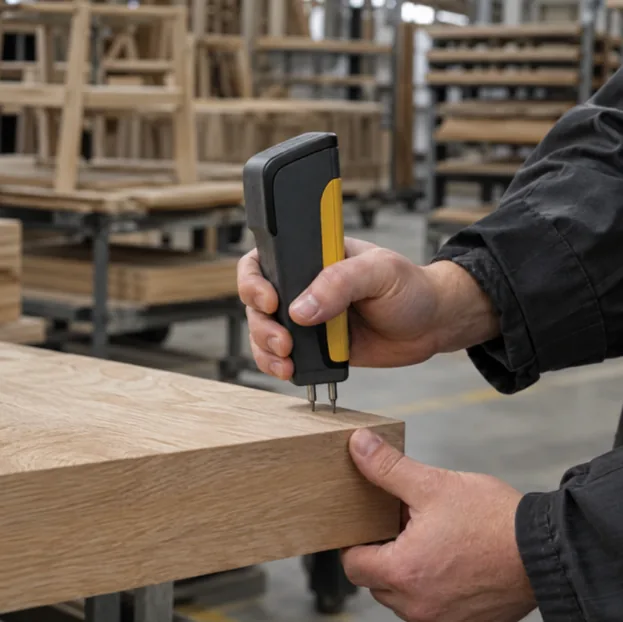
One of the key factors in wood’s resistance to mold is its moisture content: the weight of water in the wood, expressed as a percentage of its oven-dry weight. Two main methods are commonly used: oven-drying, covered in ASTM D4442, and electrical moisture meters, covered in ASTM D4444.
A finished wood product should match the moisture level of its end-use environment, so it does not swell in humid conditions, then shrink and crack as it dries. Interior wood is best kept at 6-8% moisture content.
Textile Materials
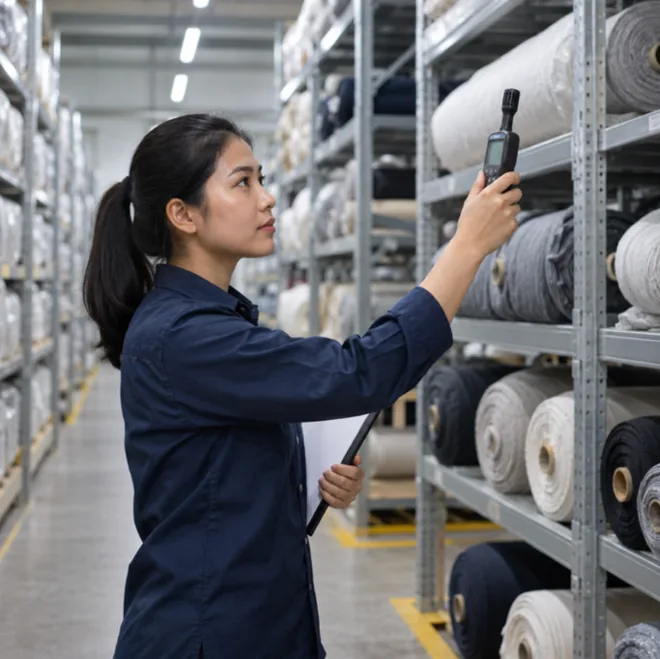
Under ISO 139, textiles are conditioned at 65% relative humidity and 20 °C before testing for strength, stability, and degradation, so that natural and synthetic fibers reach moisture equilibrium. ISO 13629 contains standardized methods to test how well treated textiles can resist fungal growth. There are two main approaches mentioned, the ATP assay and plate count method. Textiles are exposed to fungal spores under high humidity to measure whether the treatment being used and the fibers itself can inhibit mold growth, or if the material acts as an organic food source for the mold.
Textiles are recommended to be stored in a dry room without direct sunlight. Humidity should be kept between 30-50% RH using a dehumidifier or air conditioning system. Depending on the type of textile, some materials are more prone to mold growth than others. For instance, nylon is made of synthetic plastic, so it absorbs very little water and can dry very quickly. On the other hand, cotton is highly absorbent and more susceptible to mold.
International standards each answer part of the problem: durability classes for wood, test methods for textiles, rules for chemical treatments. A practice framework built specifically around mold prevention is still missing. The YCM Mold Research Center is working on one: the Good Mold Prevention Practice (GMPP), a planned series of sector-specific guidelines that turn mold science into concrete prevention requirements for each industry.