Getting To Know “Toxic Mold”
RISK IN FOCUS · MOLDNEWS REVIEW
By the YCM Mold Research Center · Summer 2026 · MoldNews Review Vol.1 Issue 2
When does mold become a health risk?
oxic mold is one of the most misunderstood phrases in environmental health, often generating fear.
A Label That Outran Its Science
Few phrases scare people like “toxic mold.” It makes us picture black growth spreading through walls, invisible poisons trapped in sealed rooms, forcing families out of their homes.
There is some truth to the fear. Some mold species can produce harmful compounds under the right conditions. However, public conversation has turned this into a black-and-white issue, treating mold as either an extreme catastrophe or nothing to worry about.
The reality is much more nuanced. Instead of focusing on scary labels, it is far more useful to understand what mold exposure actually does—and doesn't—do to our health.
Mold is Everywhere — Including Right Here, Right Now
Before looking at the risks, it helps to understand the baseline, know what is normal. Mold spores are always in the air of almost every indoor space, entering through open windows, vents, clothing, and the movement of people and pets. For most people, this is completely normal, unavoidable, and harmless.
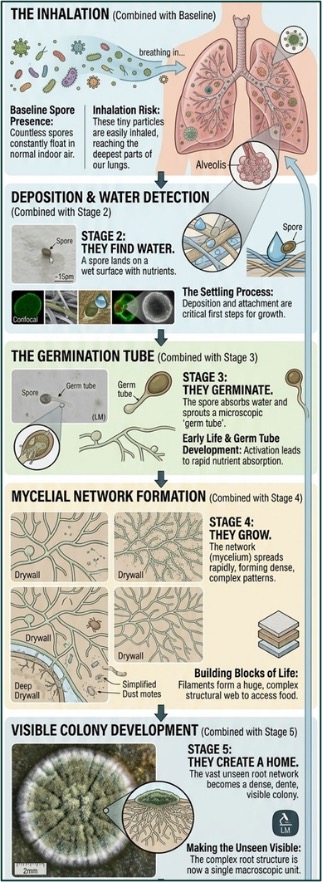
The human immune system is well-equipped to handle this everyday background level of mold without any issues or symptoms. The problem doesn't begin because mold exists in a room. It starts when conditions allow mold to multiply, turning from a few harmless, scattered spores into an active, growing colony that continuously pumps particles into an enclosed space.
The shift from harmless to harmful is driven by three variables that interact with each other:
- Mold species
- Mold concentration
- Individual sensitivity.
Mold Species
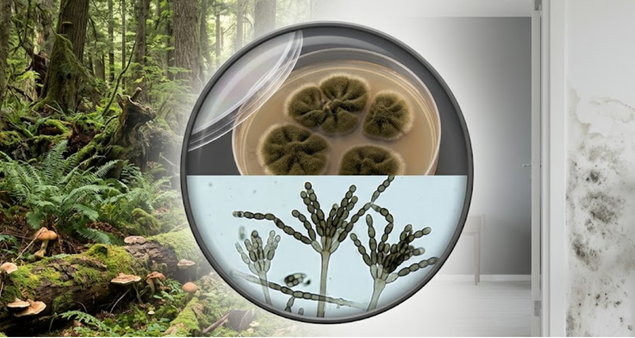
Mold is not a single organism. There are hundreds of thousands of fungal species, which produce different compounds and behave differently. The common household molds (Cladosporium, Penicillium, Aspergillus) are widespread and generally cause problems only for people with allergies or asthma.
The mold most often called "toxic mold" is Stachybotrys chartarum. It needs very specific conditions to grow, such as long-term moisture on materials like wood or drywall. However, for most people, breathing it in only causes standard allergy and breathing problems, rather than the severe poisoning often reported in the media.
Mold Concentration
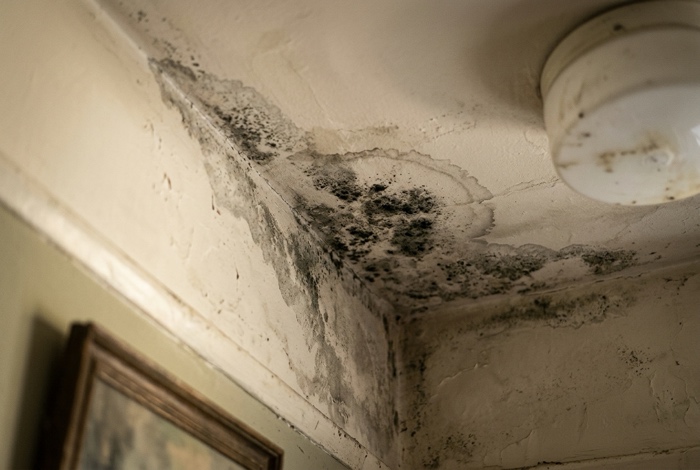
Concentration matters because the size of the dose determines the degree of effect. The same mold that causes no symptoms at normal, everyday levels can cause respiratory problems when it becomes highly concentrated in a stuffy, enclosed room. This is why a small patch of mold on a bathroom ceiling acts very differently from the widespread growth hidden inside the walls of a water-damaged home.
Individual Sensitivity
Personal sensitivity matters because everyone's immune system reacts differently to mold. For most healthy adults, exposure to mold causes no noticeable effects. However, for people with allergies, asthma, or weakened immune systems, it takes much less mold to trigger a reaction, and the health effects can be more serious.
The Mycotoxin Question
While these dangers are real, there are a few important details to keep in mind. First, not all molds make mycotoxins. Only specific species of mold produce these chemicals, and only under certain conditions: when they are under stress, have constant moisture, or are growing on specific materials. Seeing mold in your home does not automatically mean mycotoxins are present.
Second, the route of exposure matters. The most well-proven health risks from mycotoxins, like liver cancer from aflatoxin, are linked to dietary exposure. This can come from eating contaminated food, which is mostly an issue in places with poor food storage infrastructure. There is much less proof that breathing in mycotoxins at normal household levels causes major health problems. Both the CDC and WHO state that more research is needed here.
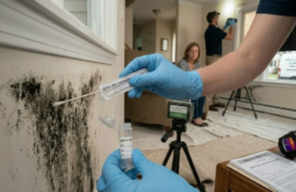
Third, it takes extreme conditions to create dangerous airborne levels. To build up enough mycotoxins in the air to cause real harm, you need huge areas of active mold growing on water-damaged materials for a very long time. This is not what you get from the small, isolated patches of mold found in most homes.
Who Is Actually in Risk
The people who need to worry about mold are much more specific than the scary "toxic mold" stories suggest. People with asthma can see their symptoms get worse because mold spores are a well-known asthma trigger. People with mold allergies will get typical allergy symptoms from breathing in spores that wouldn't bother anyone else.
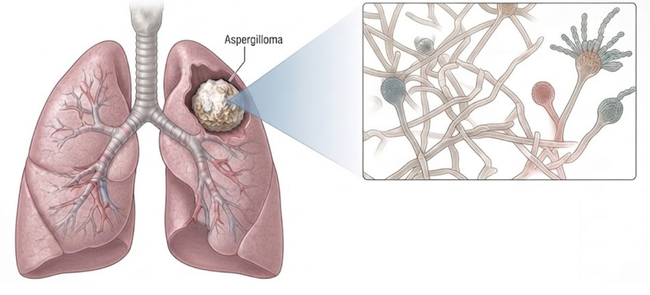
People with weakened immune systems face a completely different, more serious risk. Certain molds, e.g., Aspergillus fumigatus, can cause dangerous lung infections because their bodies can't effectively clear out the inhaled spores. For these specific groups, keeping mold out of the house is genuinely important. However, this is because of allergies and infection risks, not because of the "toxic poisoning" often talked about in the media.
For healthy adults without asthma or allergies, the risk from normal indoor mold is much lower than the "toxic mold" label implies.
Presence vs. Exposure: The Distinction that Changes Everything
The most useful way to evaluate mold risk is to understand the difference between presence and exposure. Presence means mold is simply there. Mold exists in almost every indoor space. Exposure means you are actually breathing in high amounts of moving spores from an active, growing colony over time.
It is exposure, not just presence, that affects your health. For example, a small, dry patch of mold on a bathroom tile is just presence. Widespread mold growing inside the walls of a water-damaged house, blowing spores into the air you breathe, is exposure. Treating these two situations the same leads to either unnecessary panic or ignoring a real problem.
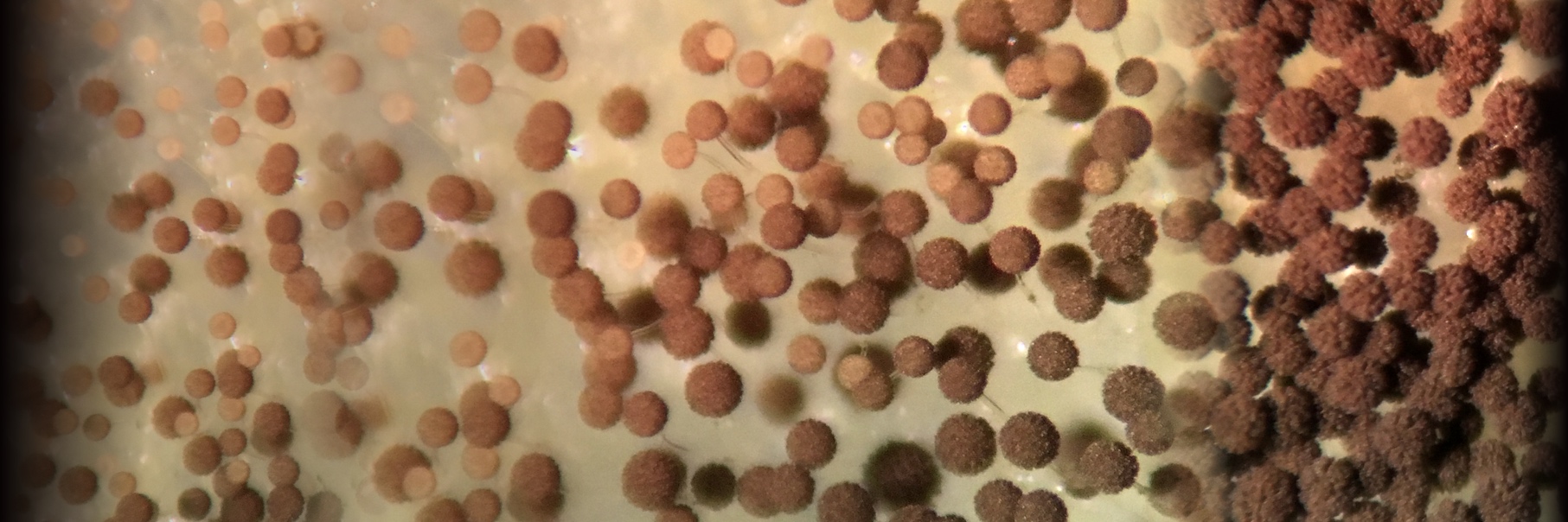
Culture plates from this issue's five features — the MRC lab archive behind each story.
To figure out the actual risk, ask these practical questions:
Is the mold actively growing?
Is there a constant source of moisture keeping it alive?
Is it growing where its spores can easily get into the air people breathe?
How long have people been breathing it in?
Are the people living there highly sensitive (asthma, allergies, or weak immune systems)?
When and How to Act
Most household mold situations just need prompt cleanup, not an emergency response. You should look out for these signs that a mold problem has moved beyond minor and manageable:
A persistent musty odor that returns after cleaning, suggesting hidden mold.
Photo: Mold Research Center
Mold covering more than roughly 1 square meter (about 10 square feet) on porous materials like drywall or wood.
Water damage or leaks near the mold.
Mold inside heating or AC systems (HVAC), which can blow spores throughout the whole building.
Breathing symptoms that improve away from the house and worsen on return.
These situations call for a professional assessment, not surface cleaning. For smaller, isolated patches on non-porous surfaces (plastic, glass, tile), detergent and water are usually enough.
Species, concentration, and sensitivity all shape the risk, and a clean-looking wall doesn't rule out a problem growing behind it. Either way, the fix is the same: control the moisture, not just the mold you can see.