Fungal Kitchen
MOLD SCIENCE
The essential role in fermentation to flavor
Fungi can also be beneficial for the food industry!
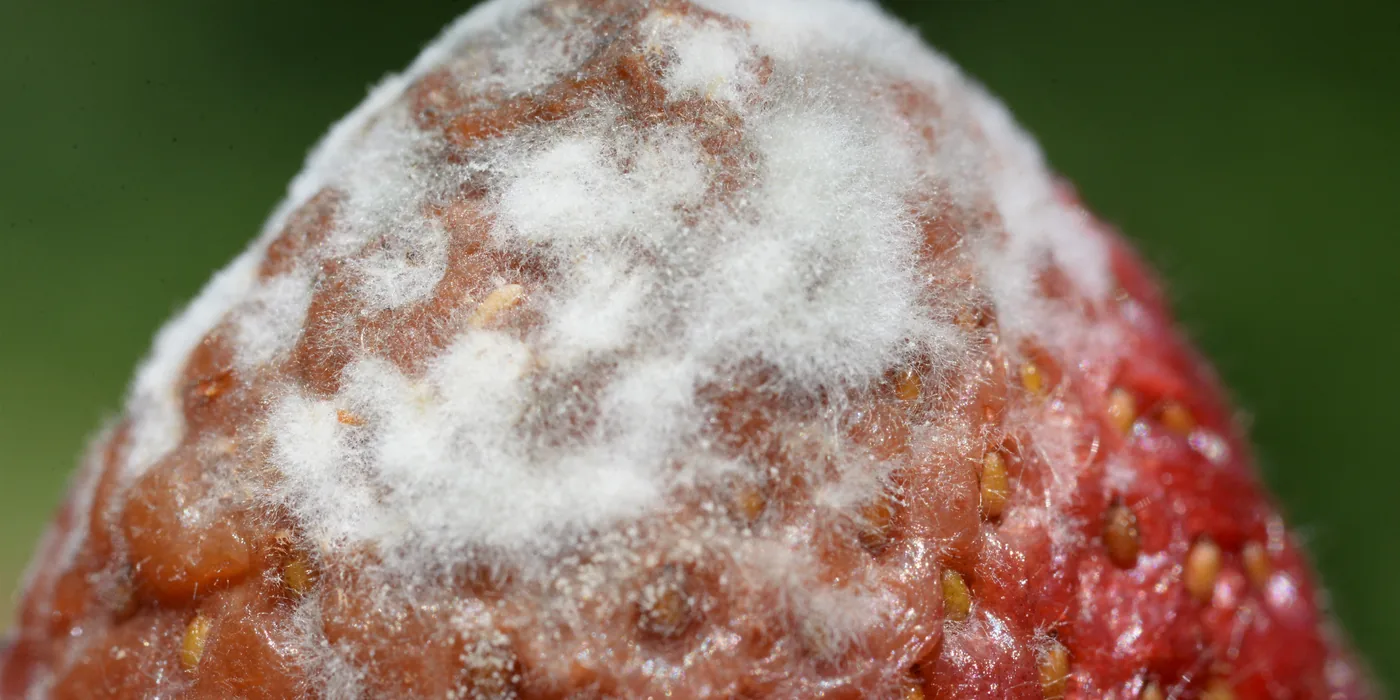
When you hear about mold in food, you probably picture forgotten bread or leftovers that stayed in the fridge a little too long. But certain molds also help create foods we know and love.
From creamy cheese to rich, savory soy sauce, carefully selected molds work behind the scenes to develop flavor, aroma, and texture. The difference comes down to the type of mold and how it is used. The mold used in this food can even offer additional nutritional benefits!
How Mold Helps Make Food
One of mold’s most useful roles in food production is helping with fermentation, a process in which carbohydrates are broken down into smaller components using enzymes. This process helps turn simple ingredients into foods with more complex flavors.
As fermentation progresses, the food’s smell, taste, and texture can change. That’s part of what gives many fermented foods their distinctive character.
The Secret Behind Cheese
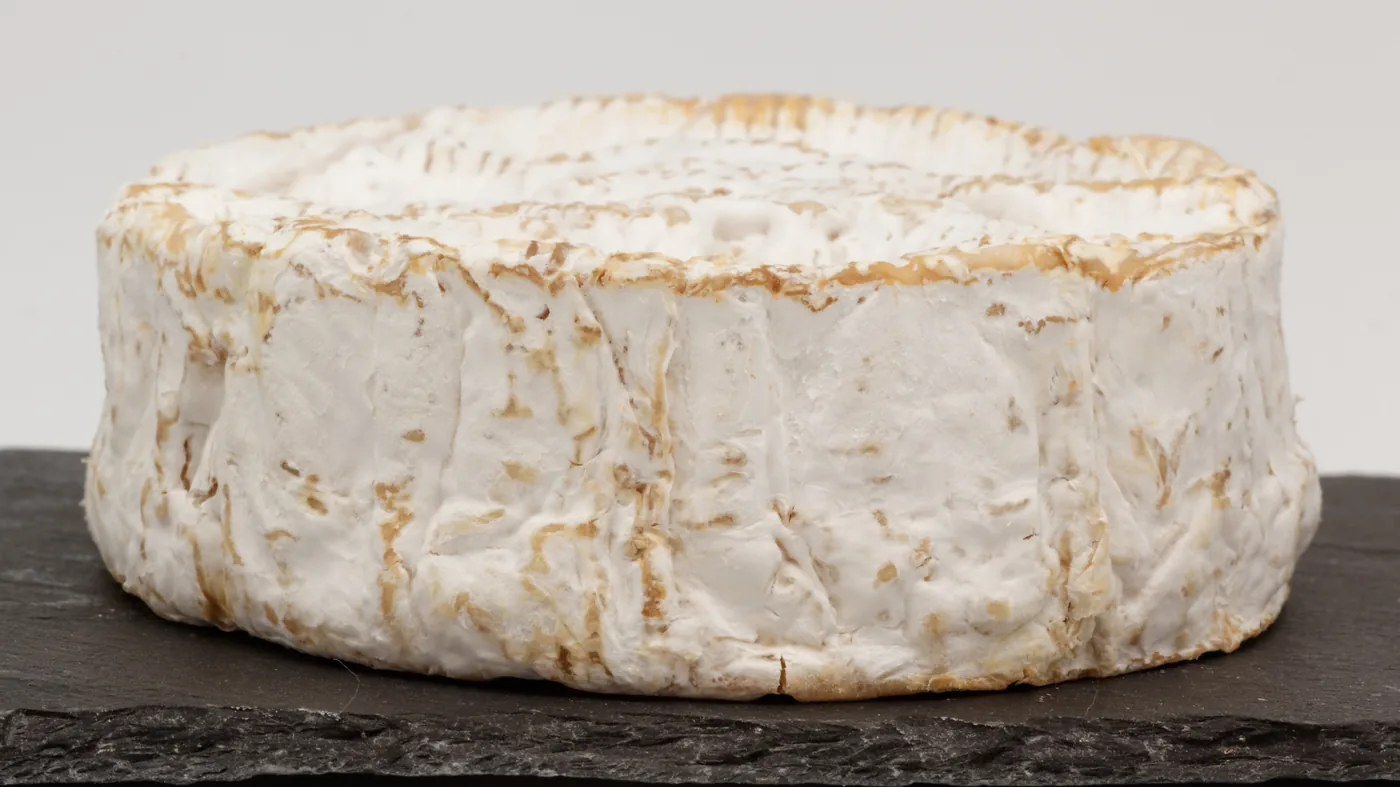
If you’ve ever enjoyed a slice of Brie or Camembert, mold has played a part in your snack.
These cheeses are known for their soft centers and white outer rinds. During production, cheesemakers first introduce lactic bacteria until the curd has set into the cheese. The acidic conditions also allow the yeast-like fungus Geotrichum candidum to grow. Penicillium camemberti (also known by the older name P. caseicolum) is then added, and the cheese ripens in a cool, humid room.
Within about two weeks, the white mold mycelium covers the surface of the cheese. This ripening process helps develop the cheese’s creamy texture and characteristic aroma. Other microorganisms contribute too, working together to shape the finished cheese.
Umami Soy Sauce
A small splash of soy sauce can bring a lot of flavors to a dish. Part of that depth begins with mold.
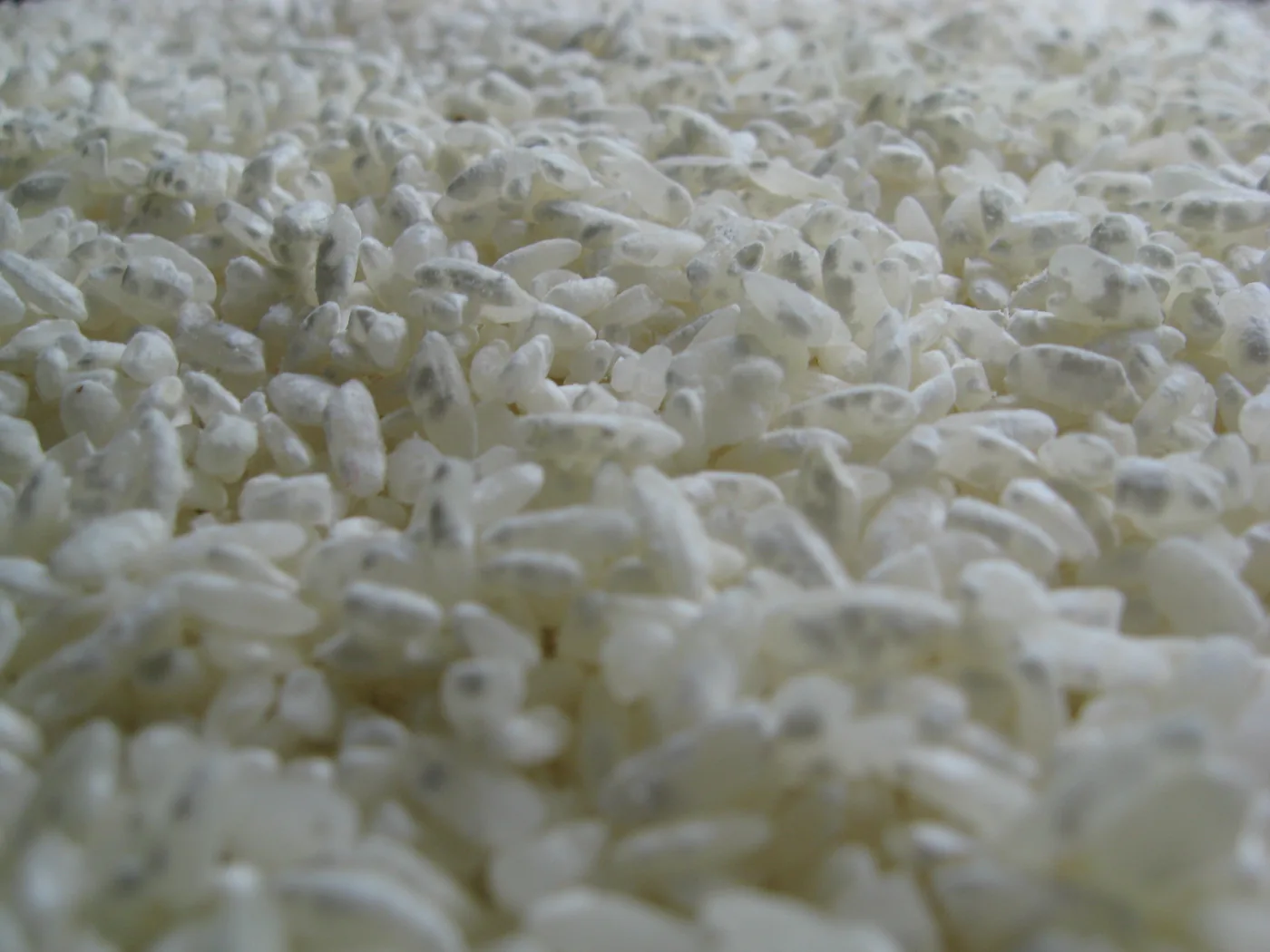
Traditionally brewed soy sauce uses selected molds, known as koji molds or Aspergillus oryzae / A. sojae. The mold breaks down soybeans and wheat. Their enzymes turn starches into sugars and proteins into smaller components, including amino acids, which facilitates the rest of the fermentation process.
The wide range of compounds that are produced help build the sauce’s rich, savory taste. That satisfying savory quality is called umami.
Mold starts an important part of the process, while other microorganisms and aging help develop the final flavor and aroma.
An Old Tradition with New Possibilities
Using mold in food might sound unusual, but it has long been part of traditional food making.
Today, food producers continue exploring how fungi can help develop different flavors, textures, and products. Researchers are also studying their potential in nutrition and more sustainable food production.
The molds used to make these foods are deliberately selected and grown under controlled conditions. This is different from mold that unexpectedly appears on food at home.
What makes mold useful in food making is the combination of the right variety, the right ingredients, and a carefully controlled process.
With that care, something we usually associate with spoiled food becomes a key ingredient in creating flavor.