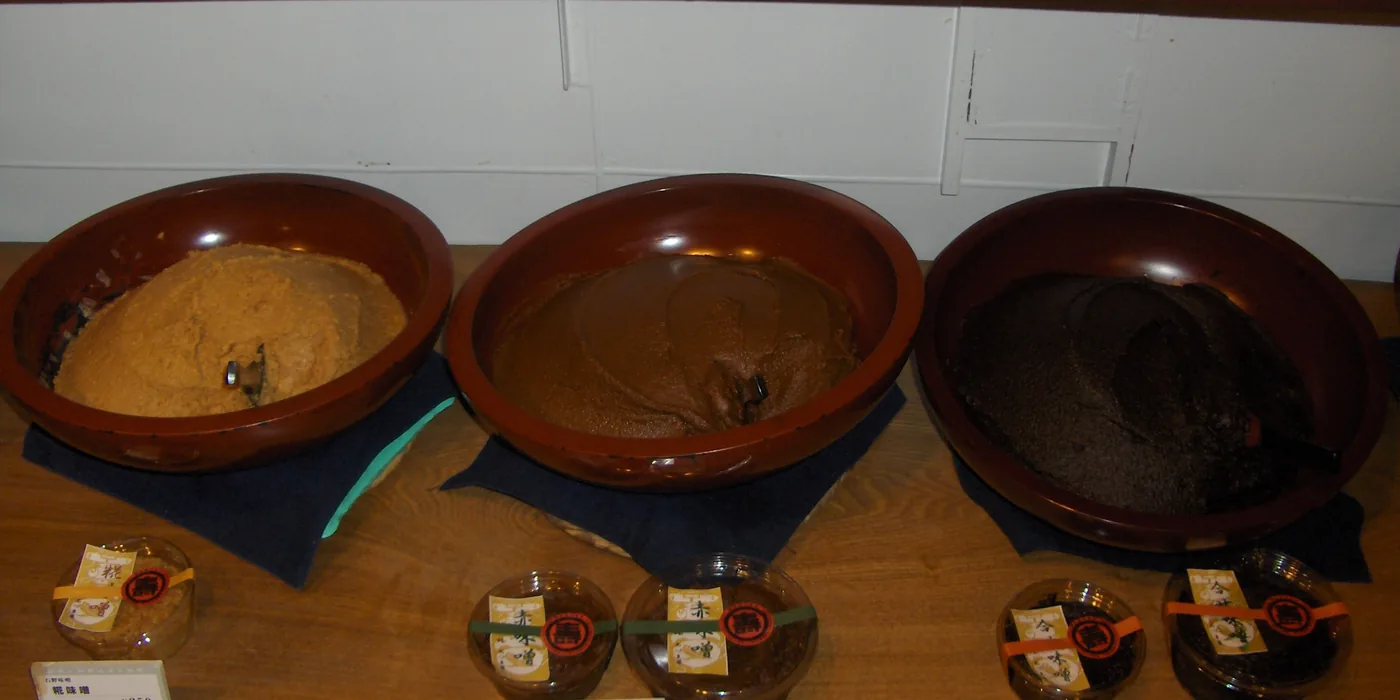
Under Pressure
MOLD SCIENCE
Adaptive fungi overcoming osmotic stress
Some molds actually thrive in salty, sugary food!
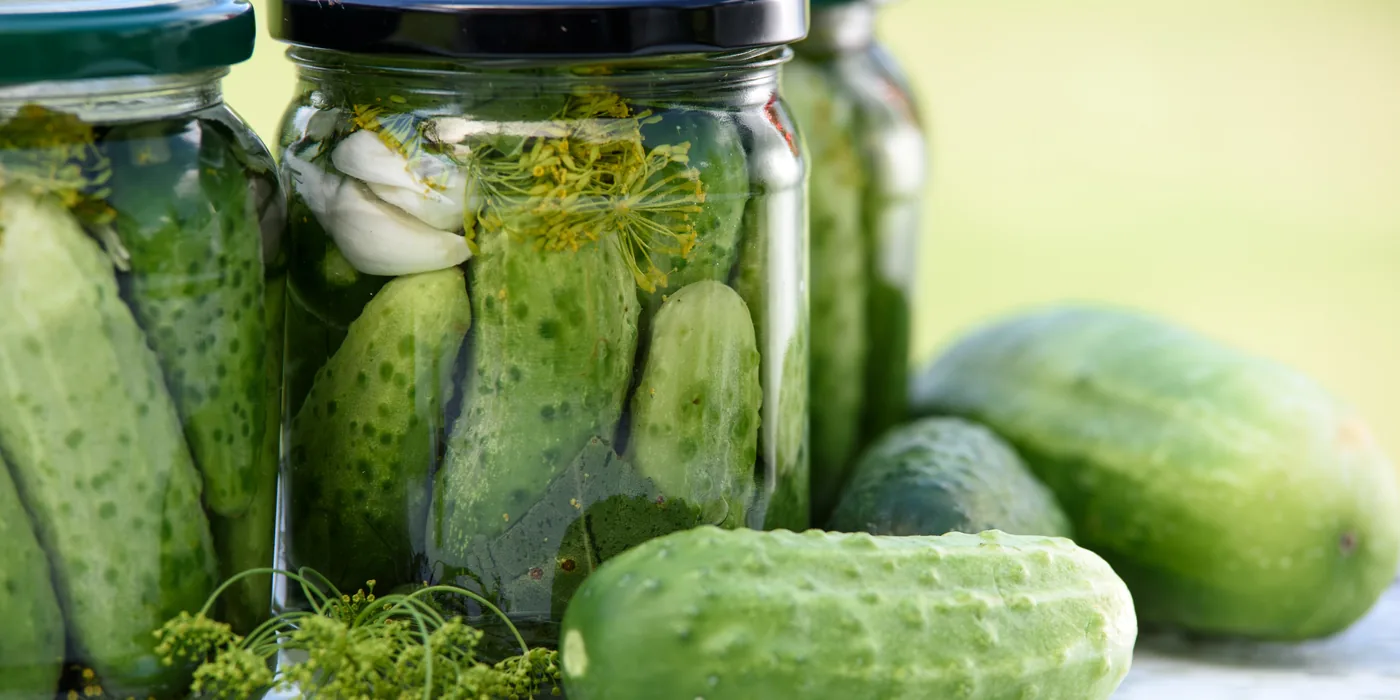
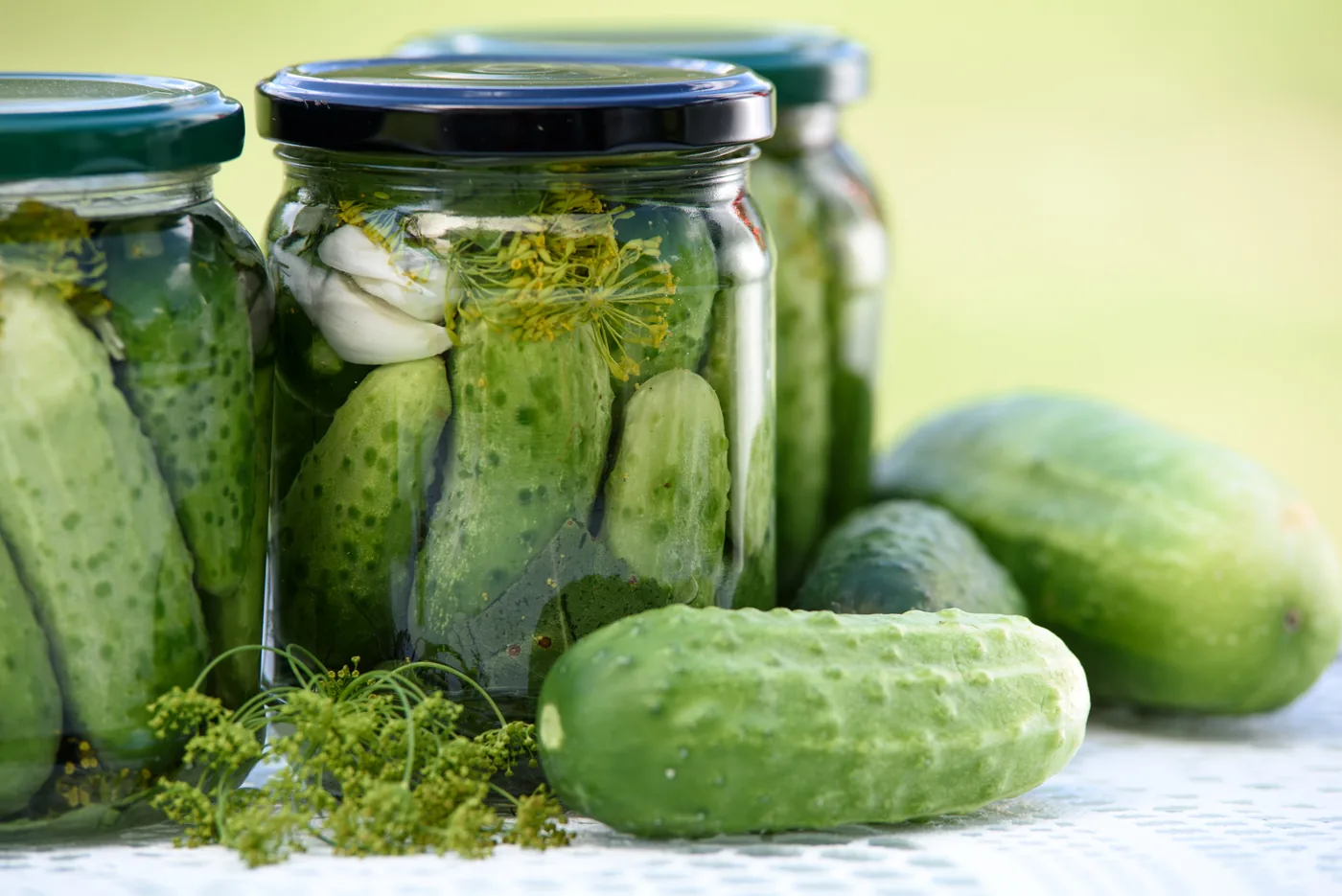
For centuries, people have kept food from spoiling by loading it with salt or sugar, just like you would make pickles or kimchi! Due to its ability to create a high-osmotic-pressure environment, salt can draw out water from the vegetables and the harmful microbial cells. This inhibits them from growing and reproducing, so the product can last longer. Salt also favors the lactic acid bacteria that ferment the vegetables, which gives pickles their flavor.
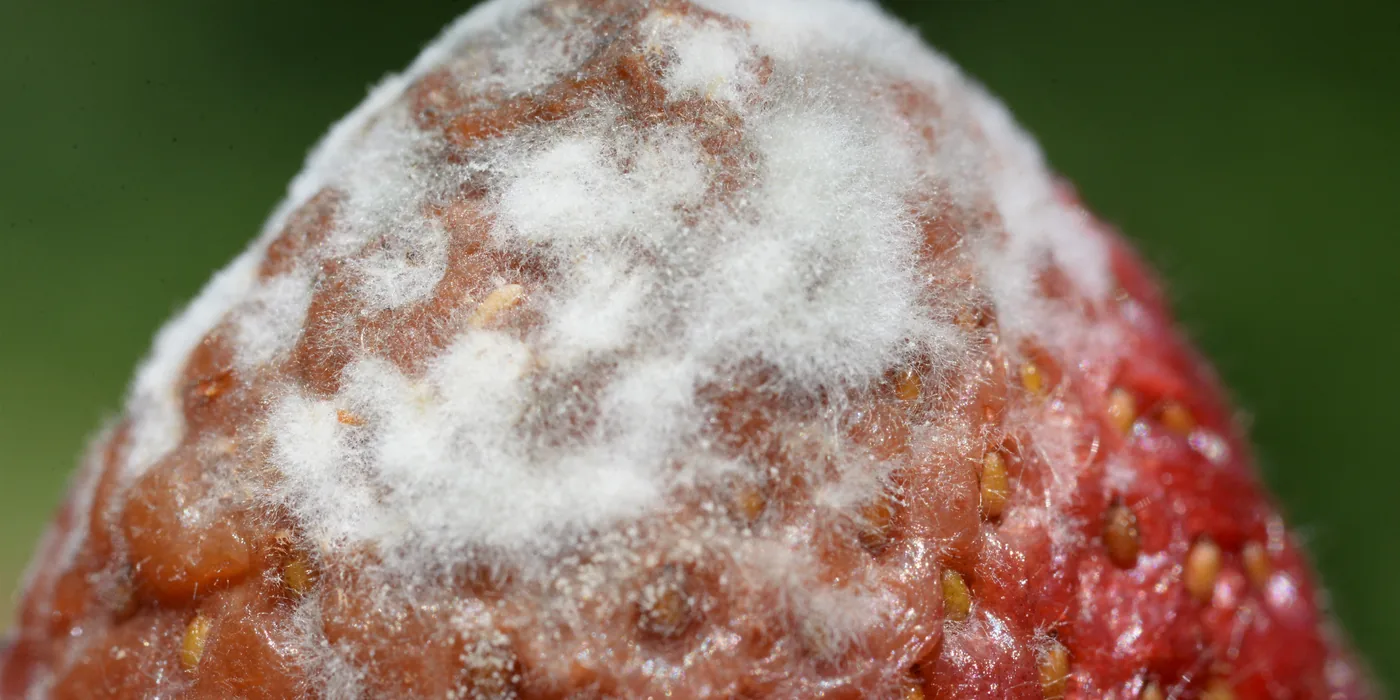
But this traditional barrier is not foolproof. Recent food-microbiology monitoring found that even in high-sugar products with water activity below 0.85, about 3–8% of unopened jam samples still tested positive for osmotic-tolerant fungi such as Zygosaccharomyces rouxii and the Aspergillus glaucus group. Some of these organisms survive extreme conditions and cause swelling, fermentation, or mold growing on the surface.
The culprits belong to a group of highly specialized fungi that actually prefer environments rich in dissolved substances (solutes). Depending on their preference, they are called xerophilic (dry-loving), halophilic (salt-loving), or osmophilic (thriving under high osmotic pressure). They have evolved sophisticated ways to cope with extreme osmotic pressure, and the result is not just spoiled food, but serious health and safety concerns.
What Salt and Sugar Does to A Cell
A low-water-activity environment puts microbial cells under three main kinds of stress.
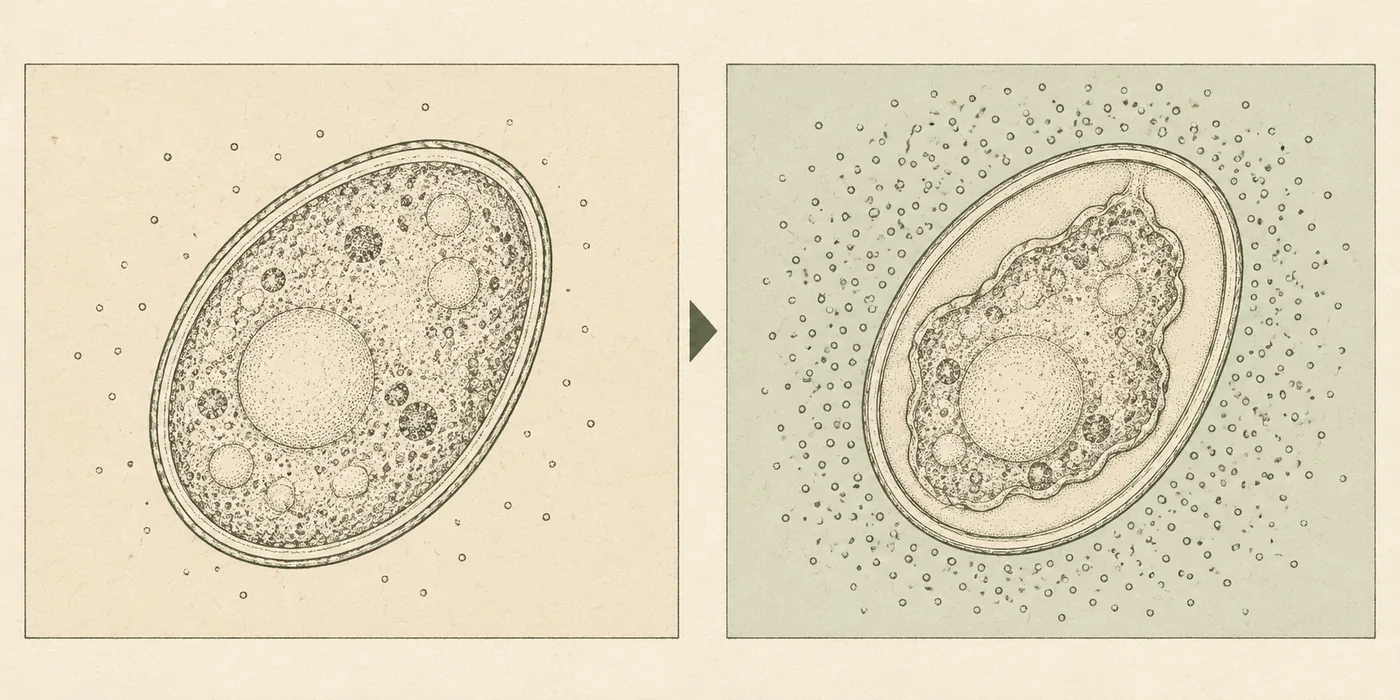
Osmotic pressure and loss of turgor. Water passes easily through the cell membrane, and it’s always trying to be at equilibrium. So, when the surroundings are full of solutes, water will flow out of the cell to balance it out. As a result, the cell dehydrates and shrinks. Its turgor pressure, the internal pressure that keeps a cell firm much as air keeps a tire inflated, drops rapidly, and growth and metabolism slow down.
Ionic stress. Salt does not only cause the cell to lose water, it must also deal with sodium ions (Na⁺) flooding into the cytoplasm. Excess Na⁺ disrupts enzymes, damages the membrane potential, and harms the cell directly.
Non-ionic stress. Sugars, such as glucose, mainly creates stress from the osmotic pressure difference itself, which lowers turgor and dehydrates the cell.
Fungal Survival Mechanism
Fungi can fight back the osmotic pressure in various ways, but which strategies a species has decides what types of food it can grow in.
Balancing the pressure from within. The most central strategy is to stockpile small organic molecules called compatible solutes inside the cell, such as glycerol. They raise the internal osmotic pressure to match the outside, stopping water loss and keeping turgor, without disturbing the cell’s proteins. Cells switch on glycerol production as soon as they sense rising osmotic pressure.
Reinforcing the cell wall. Some halophilic fungi thicken their cell walls in salty conditions. For the extreme halophile Wallemia ichthyophaga, it provides extra mechanical support. Halophilic yeasts such as Hortaea werneckii also deposit melanin in their walls, adding stability and possibly reducing permeability.
Cell aggregation. Many osmophilic fungi clump together, which lowers the group’s surface-area-to-volume ratio so each cell is less exposed. In salt these clumps grow larger, but in sugar the hyphal balls of W. muriae and W. sebi actually shrink, proof that fungi tailor their response to the type of stress.
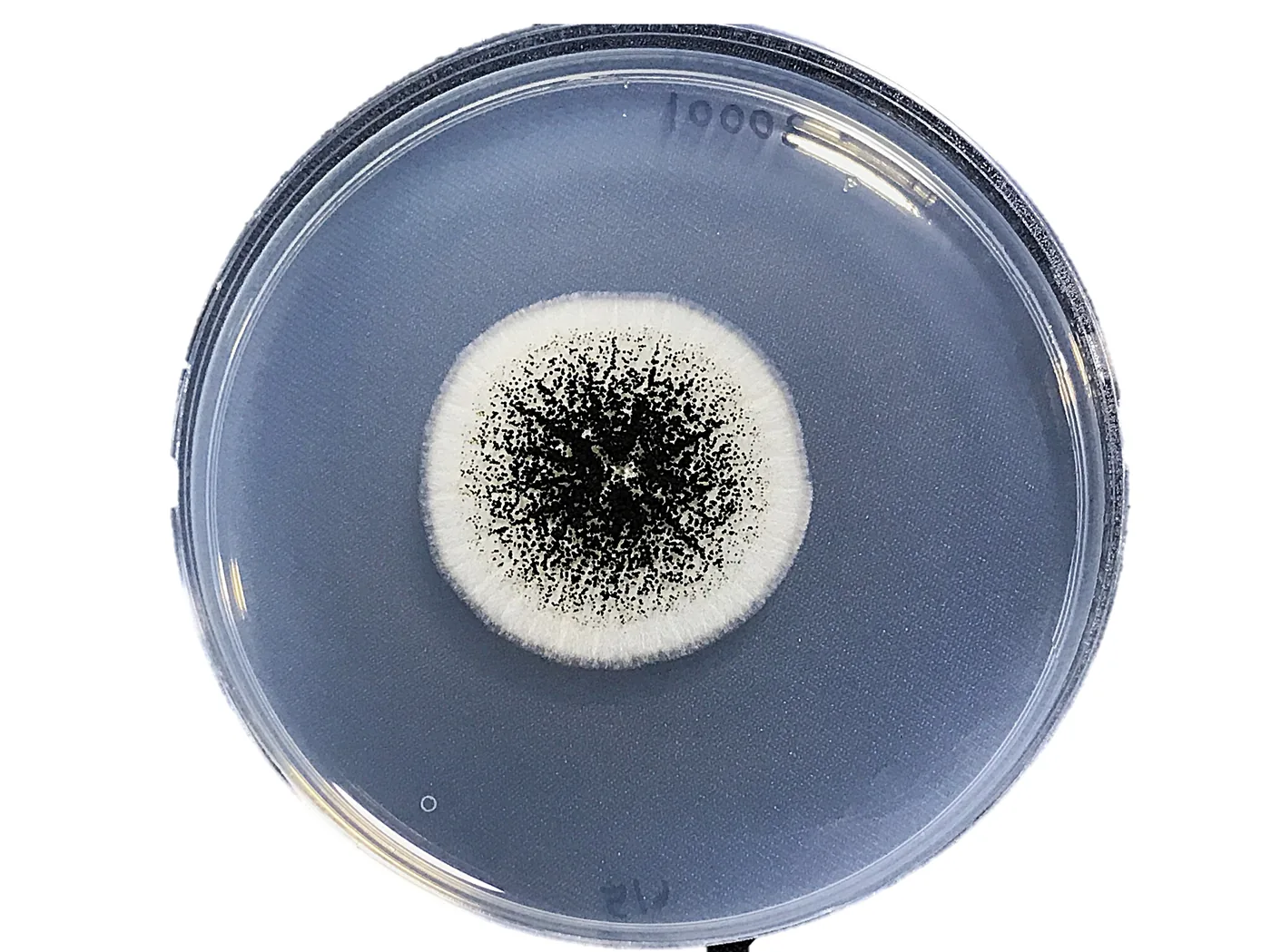
Photo: Mold Research Center.
Sealing the membrane. To stop glycerol from leaking out, xerophilic fungi change the lipids in their membranes and the saturation of their fatty-acid chains. The membrane becomes less fluid and less permeable, effectively locking glycerol inside.
Pumping out toxic salt. In salty environments, fungi must also keep ions in balance. The extremely halotolerant Hortaea werneckii uses active transport systems in its membrane to pump Na⁺ out, keeping internal levels extremely low and harmless.
Suspects in Our Food
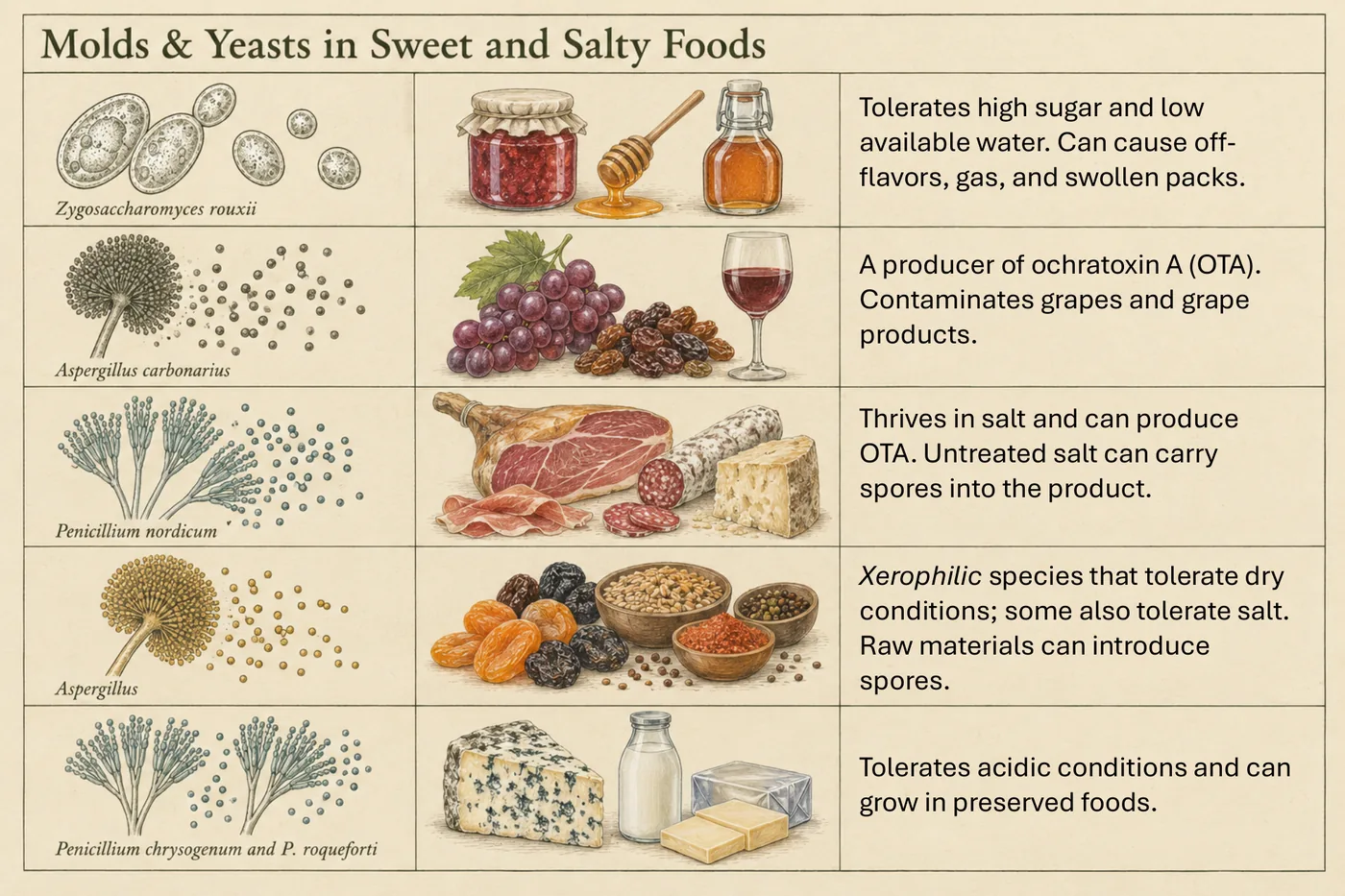
These products rely on refrigeration and, where permitted, preservatives. Scientists often study extreme species to test the limits of life, but it’s important to know the species that often show up in our food. Fruit-based concentrated food most commonly become contaminated with Zygosaccharomyces rouxii because it has the ability to grow even in low-moisture environments.
Aspergillus carbonarius, a producer of ochratoxin A, contaminates grapes and grape products such as raisins and wine. Penicillium nordicum, thriving in salt, spoils dry-cured meats.
Aspergillus spp. turns up in dried foods. Penicillium chrysogenum appear in fermented products, able to tolerate acid conditions.
Everyday baked goods are not exempt. When the Mold Research Center examined two bread products returned by consumers, microscopy identified Aspergillus pseudoglaucus on a Parmesan-topped hot dog bun and Cladosporium sp. on a thick-sliced milk toast. A. pseudoglaucus grows at low water activity and is often found in high-sugar or high-salt foods, while Cladosporium can grow on food, building materials, and air-conditioning equipment. Both products were reported moldy within a week of delivery.
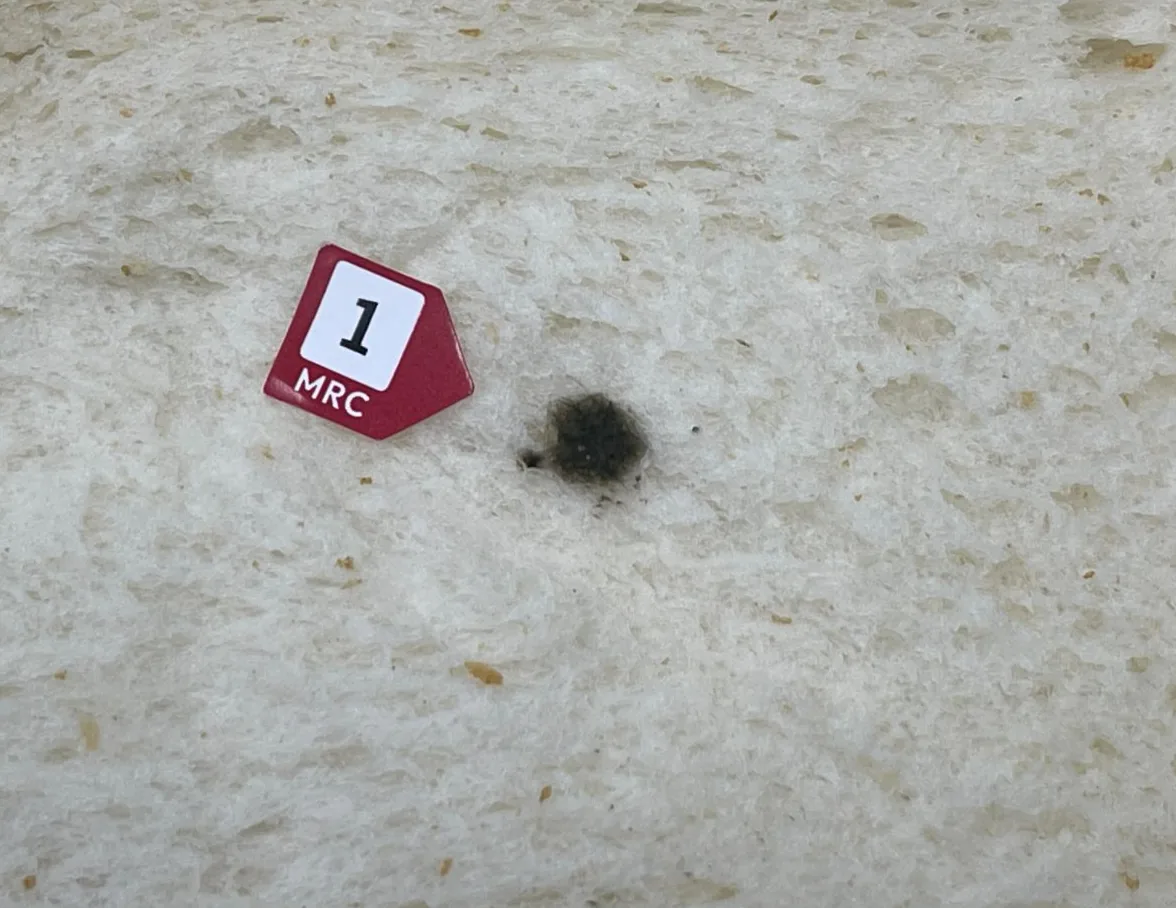
Photo: Mold Research Center.
Spoilage and Safety
The same osmotic stress these fungi survive can trigger or boost their production of mycotoxins, harmful compounds they release as secondary metabolites.
The link is not always linear; moderate stress often strongly stimulates toxin production, while too much or too little can suppress it. Salt can even change which toxin is made. For example, Penicillium verrucosum mainly produces the less toxic citrinin in low salt, but under salt stress it switches to large amounts of ochratoxin A, a more potent toxin that contains chlorine.
This is the paradox of food storage: salt or sugar levels high enough to slow bacteria may put fungi right in their sweet spot for making toxins, turning a quality problem into a safety hazard.
It is important to note that contamination can also come from raw materials, not just the finished food product. In some cases, salt from solar saltworks naturally host large populations of halophilic, potentially toxin-producing fungi such as Aspergillus and Penicillium, whose spores get trapped as salt crystallizes. Add untreated salt to food, and those living spores go straight into the product.
Prevention and Control
No single storage method is enough against fungi this adaptable. Control needs a multi-layered plan that combines smart formulation, raw-material management, and processing controls.
Many osmotolerant fungi have an optimal window of salt or sugar where their growth or toxin production peaks, and beyond it both are significantly inhibited. Setting concentrations high enough to inhibit them can manage the risk without extra preservatives.
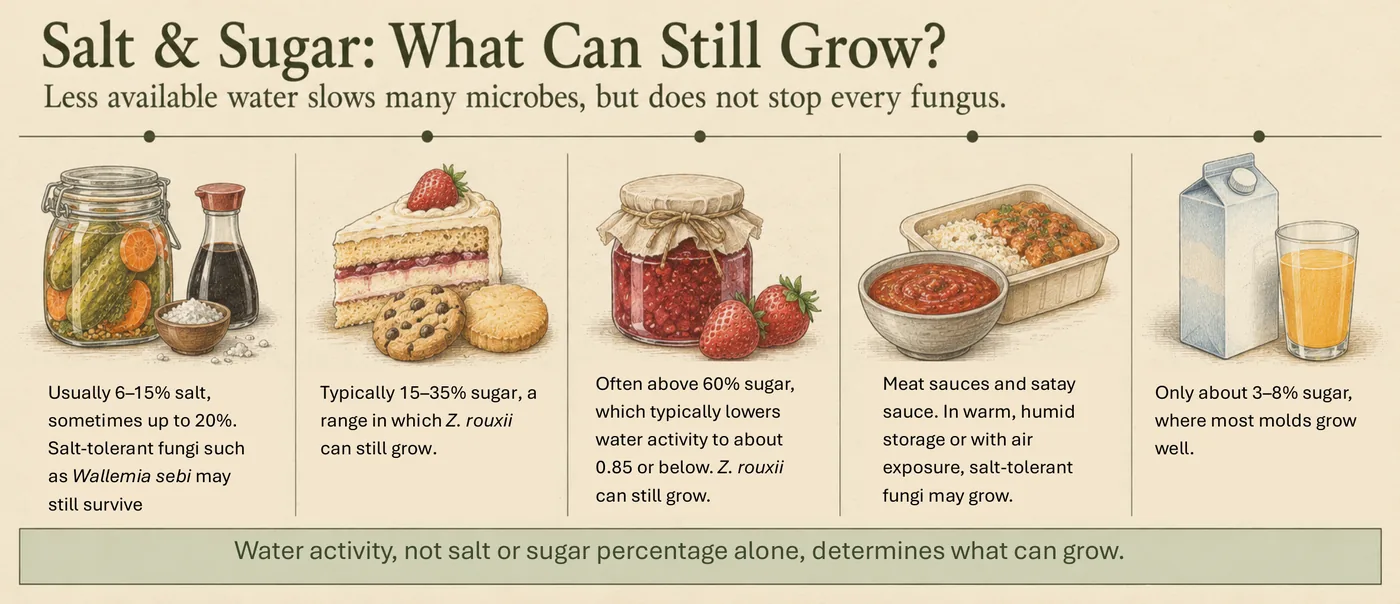
Pickled and fermented foods (salted vegetables, fermented black beans, fish sauce) usually contain 6–15% salt, sometimes up to 20%, but even halophilic fungi such as Wallemia sebi may survive. Baked goods (cakes, cookies, jam-filled pastries) contain 15–35% sugar, mostly sucrose or glucose syrup, a range in which Z. rouxii can still grow. Confectionery and jams often exceed 60% sugar, which typically lowers water activity to about 0.85 or below; even so, Z. rouxii and xerophilic molds can still grow. Ready-to-eat foods and sauces (meat sauces, soy sauce, satay sauce) contain 2–8% salt; in warm, humid storage or when exposed to air, salt-tolerant fungi may grow. Dairy products and beverages hold only about 3–8% sugar, where most molds grow well, so refrigeration and preservatives are essential.
Stop contamination at the source. Because raw materials can carry toxin-producing spores, high-risk ingredients need strict source control. For salt-heavy products such as dry-cured meats, salt and other raw materials should be sterilized, for example by heat treatment, before use to cut the contamination chain at its origin.
Most molds tolerate a wide pH range, so acidity alone is rarely enough; lowering pH works best in combination with low water activity, cold storage, or preservatives. Keeping food in cold storage can slow fungal metabolism. Within regulatory limits, adding preservatives such as sorbates and benzoates can add another layer of protection against mold and yeasts.
Salt and sugar do more than preserve food: they act as an environmental filter that favours specialized fungi, and they can unintentionally create the conditions for stress-triggered mycotoxins such as ochratoxin A. Make sure the water activity and salt/sugar levels in food are maintained to an optimal range, prevent spores from incoming raw materials, and identify mold species on soiled food.
With these science-based checks, manufacturers can step in early to prevent spoilage, swelling, gas production, or toxin formation. Turning what we know about fungal biology into everyday practice makes products more stable and safer, keeping high-solute foods reliable across modern supply chains.