Home>MOLD KNOWLEDGE & RISK>Organic and environmentally friendly cat litter is also a key factor which causes disease to furkid when they ingest.


Organic and environmentally friendly cat litter is also a key factor which causes disease to furkid when they ingest.
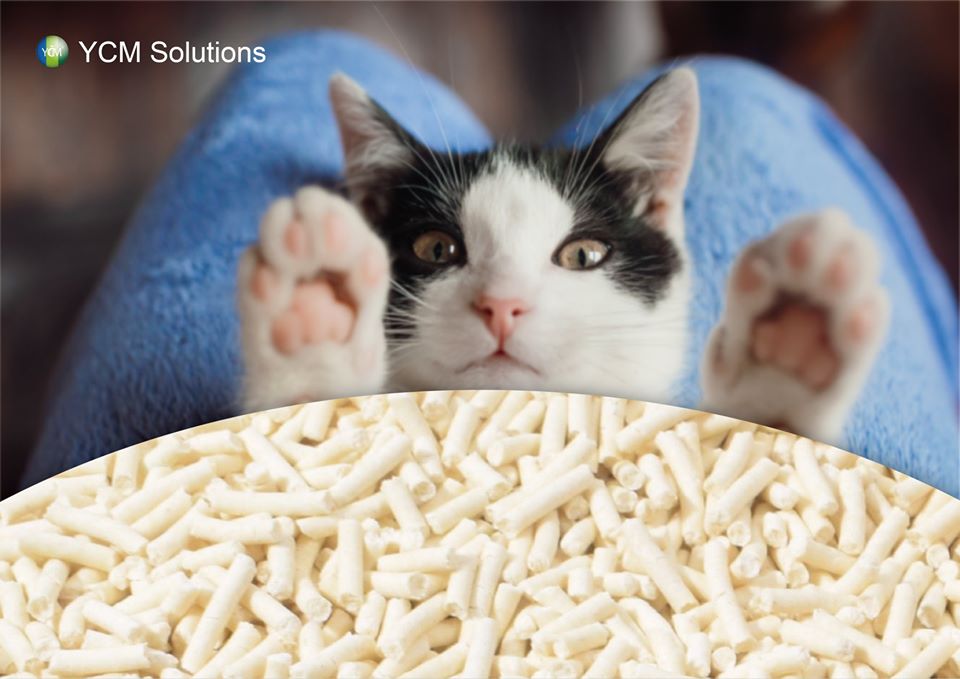
Eco-friendly and organic cat litter has become popular as more people focus on sustainability. However, few realize that these products are prone to mold contamination, which can directly affect the health of cats.
At YCM — the Global Mold Authority with extensive data on microbial growth across industries — our laboratory has tested multiple organic cat litters and confirmed: under humid storage, mold can appear within just one week.
Why does organic cat litter get moldy?
In hot and humid climates, this environment accelerates mold colonization, just like what happens with perishable food.
To prevent package bursting during transportation, many brands use outer packaging with vent holes (<1 mm). Unfortunately, these holes allow moisture from the air to enter.
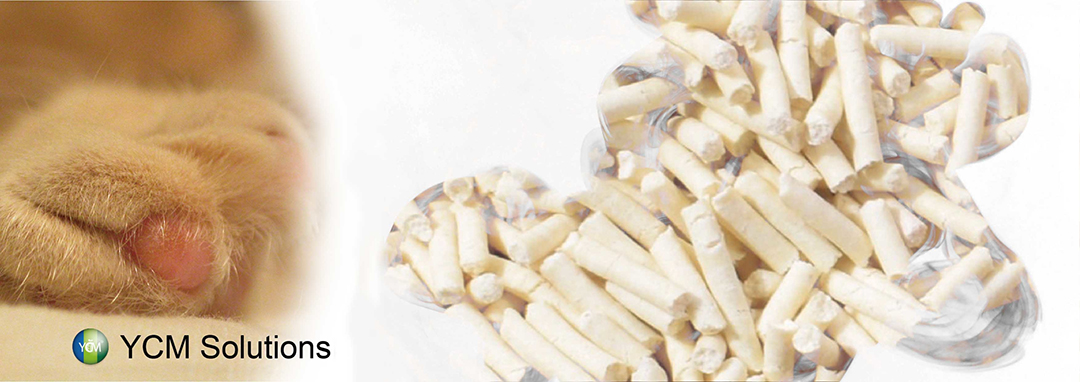
Organic cat litter is usually made of soybeans or plant-based fibers, which are rich in carbon and nitrogen — ideal nutrients for mold.
Is moldy litter safe to use?
Absolutely not. Some users online suggested simply removing the moldy portion, but this is misleading. Mold spores spread invisibly throughout the entire package.
- Cats are clean animals; they lick their fur often.
- If they ingest moldy litter dust, they may be exposed to mycotoxins and harmful gases produced by molds.
- According to veterinary experts (Cornell University Vet School), mycotoxin ingestion can damage the liver, digestive system, and immune function in pets.
What YCM found in testing
Our laboratory simulated high-humidity environments (relative humidity >70%). Results showed:
- Organic cat litter stored in poor conditions developed visible mold colonies within 7 days.
- Mold levels in contaminated litter were significantly higher than typical household dust exposure.
- Such contamination makes the litter unsafe and unusable.
How to tell if your cat litter has mold
Before using a new bag, check for these warning signs:
- Unusual smell — a musty, sour, or earthy odor when you open the bag
- Visible discoloration — white, green, or black spots anywhere in the litter
- Your cat refuses the litter box — cats are highly sensitive to smell and may avoid contaminated litter
If you notice any of these signs, do not use the product. Contact the retailer and check whether storage conditions during shipping or warehousing may have contributed to the issue.
Conclusion
Eco-friendly products have clear benefits, but organic materials carry higher mold risks. Consumers should store cat litter in dry, ventilated conditions and avoid using any product that shows signs of mold.
At YCM, we remain committed to guiding both industries and consumers with science-based evaluation and preventive solutions, ensuring that sustainability does not compromise health.
Disclaimer: This article is for educational purposes only. It does not substitute for veterinary advice. If your cat shows symptoms after exposure to moldy litter, consult a veterinarian immediately. Data cited are based on YCM laboratory findings and external veterinary resources such as CDC and Cornell University.
Want to know which pet products may affect the health of furkid? Contact YCM and we will answer you!
FAQ
What is organic cat litter made of?
Organic cat litter is typically made from soy, corn, wheat, wood, or plant-based fibers. These materials are biodegradable but are also rich in carbon and nitrogen — nutrients that support mold growth under humid conditions.
Can organic cat litter grow mold?
Yes. YCM laboratory testing showed that organic cat litter stored in environments with relative humidity above 70% can develop visible mold colonies within 7 days. Plant-based materials like soy and wheat provide ideal conditions for mold.
Is moldy cat litter dangerous for cats?
Yes. Mold in cat litter can produce mycotoxins — toxic compounds that cats may ingest when litter dust contacts their fur during grooming. According to Cornell University’s veterinary resources, mycotoxin exposure can affect liver function, the digestive system, and immune health in pets.
Can I still use cat litter if I remove the moldy part?
No. Removing visible mold does not make the litter safe. Mold spores spread invisibly throughout the entire package. If any portion shows visible mold, the entire product should be discarded.
How should I store organic cat litter to prevent mold?
Store cat litter in a cool, dry, and well-ventilated area away from humidity sources such as bathrooms or laundry rooms. Keep it in a sealed container after opening, and avoid purchasing in bulk if you live in a high-humidity climate.
How does YCM evaluate mold risk in pet products?
YCM’s Mold Research Center (MRC) conducts laboratory testing under controlled humidity conditions to assess mold risk. Results are used to guide both consumers and industries on safer material choices and storage practices.