Home>MRC NEWS>INFORMATION SHARING>The field of mold is strange and terrifying? Keep 3 major points in mind, and you will no longer be afraid of mold!

The field of mold is strange and terrifying? Keep 3 major points in mind, and you will no longer be afraid of mold!
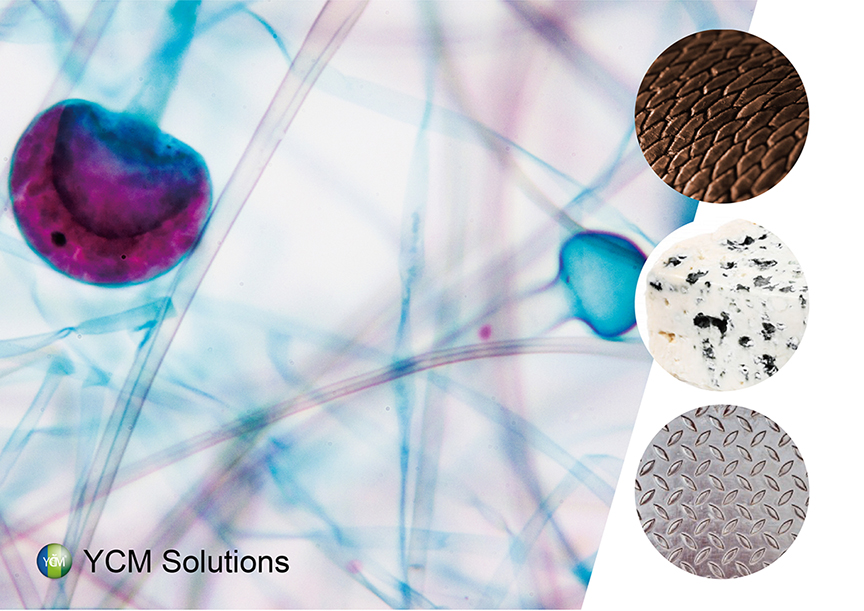
Mold is everywhere in our environment. But why do most product inspections and protective measures focus on bacteria instead of mold? How exactly does mold affect our health and daily lives? By keeping three essential points in mind, you can protect yourself and stop being afraid of mold.
1. Understanding Mold: From Spores to Visible Growth
The air around us constantly carries mold spores. While eliminating them completely is nearly impossible, preventing mold growth is achievable.
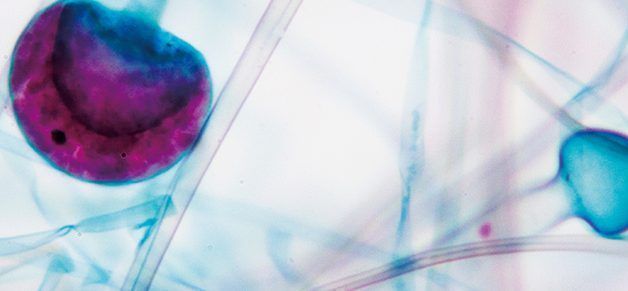
Spores remain harmless until they land on a surface with the right conditions—warmth, humidity, and nutrients. Once they germinate, they produce hyphae and metabolites, some of which may include mycotoxins. A well-known example is aflatoxin contamination from improperly stored peanuts or coffee. Ingesting aflatoxins can cause nausea, vomiting, or even more severe health effects.
2. How to Avoid Mold-Related Risks at Home
Mold thrives in warm, damp, and poorly ventilated spaces.
- Bathrooms: Showers create moisture that supports mold growth.
- Toilets: Poor ventilation allows mold stains to appear within a week if not cleaned.
- Wardrobes and Cabinets: Limited airflow combined with seasonal humidity leads to mold on clothes and leather goods.
Key recommendations:
- Keep humidity below 60% using a hygrometer and dehumidifier.
- Improve ventilation by opening wardrobes and cabinets periodically.
- Handle moldy items carefully—discard clothing or books with mold patches.
- Remember: YCM’s anti-mold and antibacterial stickers remain effective in damp conditions, unlike desiccants that lose function once saturated.
3. The Right Way to Kill Mold and Bacteria
Alcohol is highly effective when used correctly:
- Use 75% alcohol for best results.
- Allow at least 30 seconds of contact time.
- Spray and wipe in one direction to remove microorganisms.
Alcohol works by dissolving lipid membranes and evaporating moisture, making it excellent for bacteria but only partially effective for mold spores. Frequent use also dries the skin, as natural oils are removed during evaporation.
Other methods such as saltwater are less effective—many microorganisms survive and continue growing once removed from salty conditions.

Is Moldy Food Still Edible?
The answer is a clear no. Mold hyphae penetrate deeply into food, even beyond visible mold patches. Cutting away mold does not make food safe.
Safe storage tips:
- Keep containers dry and clean.
- Use airtight packaging and refrigerate promptly.
- Avoid saliva or dirt contamination during handling.
Heating is also not guaranteed to kill spores, as their hard outer shells protect them during dormancy.
Why Testing Prioritizes Bacteria Over Mold
In the food industry, bacteria are the most common cause of spoilage. Tests for bacteria typically take 24–48 hours, while fungal tests may take a week. Because mold is slower to grow and harder to detect, most routine food testing emphasizes bacteria. Mold testing is usually reserved for high-risk products such as grains, peanuts, and dried fruits.
Conclusion
Mold may seem strange and frightening, but with the right knowledge, you can control its risks. Remember these three points:
- Spores are everywhere, but growth depends on environment.
- Mold thrives in damp, poorly ventilated areas—humidity control and ventilation are key.
- Alcohol helps against bacteria but is not a complete solution for mold.
At YCM, we provide professional testing and anti-mold solutions to help you manage microbial risks effectively in homes and industries.
Welcome to join YCM official Line account, we will answer your questions!