Home>INFORMATION SHARING>Scratching may trigger sweaty herpes and fungal infection! How should I do to stop itchy skin in summer?


Scratching may trigger sweaty herpes and fungal infection! How should I do to stop itchy skin in summer?
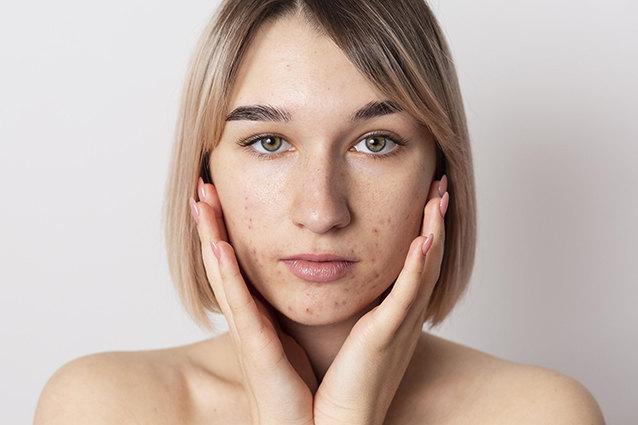
Hot summer days make sweating unavoidable, especially on the face, scalp, chest, and back. Sweat mixed with sebum and trapped under clothing friction can inflame hair follicles. Sweat itself is not dirty—it helps regulate body temperature. The problem occurs when germs decompose sweat, creating odor and inflammation.
Folliculitis: Mainly Bacterial, Sometimes Fungal
Folliculitis is an inflammation of hair follicles caused by blocked pores, excessive sweat, and sebum. According to dermatologists, untreated red and itchy pimples may worsen into cellulitis. Even acne is considered a type of folliculitis.
Types of Folliculitis
- Bacterial Folliculitis
Caused by Staphylococcus aureus or Pseudomonas aeruginosa, often linked to weak immunity or open wounds. Public facilities with poor hygiene, such as hot springs, saunas, and swimming pools, are common sources. - Fungal Acne (Malassezia Folliculitis)
Overgrowth of Malassezia (Pityrosporum) yeasts can disturb scalp flora, causing dandruff, persistent inflammation, and even hair loss if untreated. - Pseudofolliculitis Barbae
Results from improper shaving or hair removal. Pulling, scratching, or ingrown hairs damage follicles and cause chronic irritation.
How to Protect Yourself in Summer
- Avoid Touching Your Face Frequently
Hands carry germs from objects such as doorknobs, money, and keyboards. Touching your face transfers them to sweat and sebum, worsening breakouts. Practice frequent handwashing and reduce face-touching. - Examine Cleaning Habits
Over-washing or frequent exfoliation can strip the skin’s protective barrier, making it more vulnerable. Focus on gentle cleansing to control sebum without damaging the skin. - Watch Your Diet
High-fat, sugary, and spicy foods stimulate sebum production, leading to pimples and inflammation. - Maintain a Clean Environment
Outdoor pollutants may block pores. At home, clean furniture regularly (at least every two weeks) and maintain ventilation to reduce humidity—an ideal condition for mold and bacteria.
Conclusion
Sweating is natural, but in hot and humid conditions it can trigger folliculitis caused by bacteria, fungi, or irritation. By improving hygiene habits, moderating diet, and keeping your living environment clean, you can reduce the risk of skin infections. For persistent or severe cases, consult a dermatologist for proper treatment.
Welcome to join YCM official Line, and we can answer any moldy questions immediately!
Welcome to join the YCM fan club and get the YCM information at once.