Home>YCM NEWS>INFORMATION SHARING>Mold is everywhere in our life! Three important contributions to civilization.

Mold is everywhere in our life! Three important contributions to civilization.
When people think of mold, they often imagine spoiled food, damp bathrooms, or moldy clothes. Yet mold is not only a nuisance—it has played a critical role in medicine, food, and ecological balance, making remarkable contributions to human civilization.
1. Medicine: Antibiotics That Changed the World
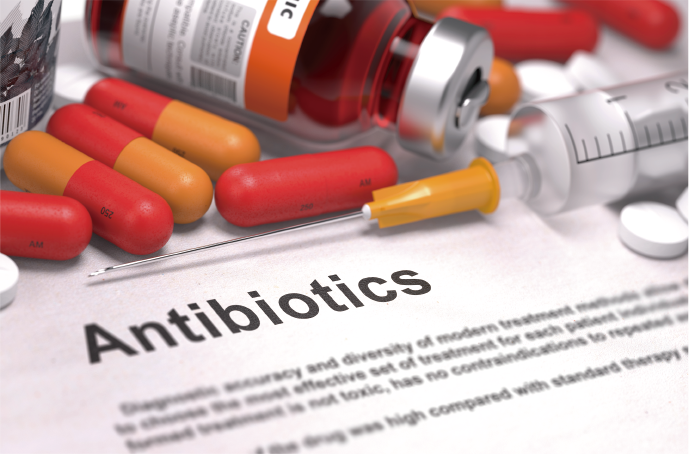
During World War II, antibiotics saved countless soldiers and civilians from deadly infections. One of the greatest discoveries came from Penicillium mold.
In 1929, Sir Alexander Fleming observed that Penicillium could inhibit bacterial growth in contaminated cultures, leading to the discovery of penicillin. Because Penicillium is easy to cultivate, it has been widely used not only to produce penicillin but also to manufacture enzymes. Antibiotics revolutionized medicine, enabling humanity to fight bacterial infections and continue saving lives today.
2. Food: Fermentation and Flavor
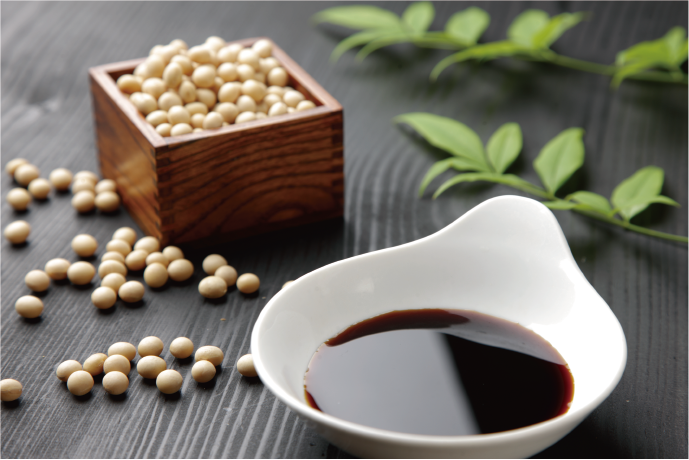
Mold has also shaped culinary traditions. Aspergillus oryzae (commonly known as koji mold) is essential in making soy sauce, one of Asia’s most important condiments.
- Soybeans, black beans, and wheat are inoculated with Aspergillus and fermented for weeks to months.
- The process breaks proteins into amino acids, producing the umami taste characteristic of soy sauce.
Beyond soy sauce, molds are essential for miso, sweet bean sauce, sake, and even cheeses like blue cheese. Other examples include fermented tofu and red rice wine made with Monascus mold. Without mold, many iconic foods and beverages simply would not exist.
3. Ecology: Decomposition and the Cycle of Life
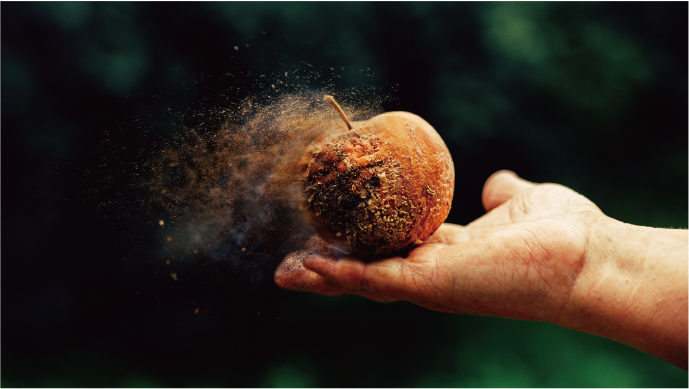
Mold also plays a fundamental role in nature as a saprophytic decomposer. Unlike plants, molds cannot photosynthesize; instead, they obtain energy by breaking down organic matter such as dead plants, animal remains, and waste.
Through decomposition, molds recycle nutrients back into the ecosystem, converting them into inorganic matter that supports new plant growth. This process maintains the balance of the food chain. Without decomposers like mold, the ecosystem’s circulatory system would collapse—life as we know it could not continue.
Conclusion
Far from being only a source of allergies or damage, mold has enabled life-saving medicine, enriched culinary traditions, and sustained ecosystems. From penicillin to soy sauce to nutrient cycling, mold demonstrates its indispensable role in human civilization.
At YCM, we not only study the risks of mold but also acknowledge its vital contributions—helping people understand mold from every angle.
Welcome to join YCM official Line, and we can answer any moldy questions immediately!
Welcome to join the YCM fan club and get the YCM information at once.