Home>YCM NEWS>INFORMATION SHARING>Many products are claiming Degermation, Antibacterial, or Sterilization, and what is their difference?

Many products are claiming Degermation, Antibacterial, or Sterilization, and what is their difference?
During the COVID-19 pandemic, countless products appeared on the market claiming to be “antibacterial,” “sterilizing,” or even “virus-killing.” But are these claims accurate, or just marketing hype? To choose the right products, it’s important to understand the difference between these commonly used terms.
Degermation, Antibacterial, and Sterilization
- Degermation: Reduces the number of microbes. Examples include alcohol wipes and bath products. Washing with soap and water often achieves the same effect.
- Antibacterial: Inhibits microbial growth or reproduction. Examples include skincare items, tissues, and cutting boards with antibacterial coatings. These products extend shelf life and improve safety by slowing microbial growth.
- Sterilization: Eliminates all microbes. This process is usually applied in medical and laboratory settings to ensure instruments are completely free of pathogens.
Each serves different purposes—choosing depends on the problem you want to solve.
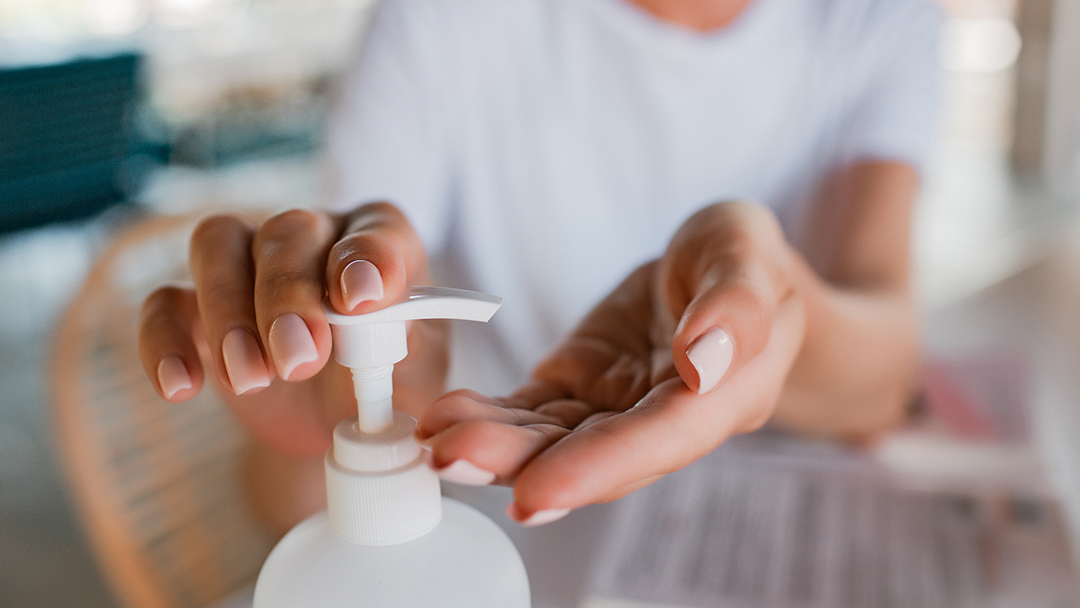
Disinfection vs. Sterilization for Virus Prevention
- Disinfection: Reduces microbes to a safe level. After disinfection, some microorganisms (bacteria, fungi) may remain, but not enough to cause illness. Examples: cleaning surfaces with bleach or hands with alcohol.
- Sterilization: Ensures zero microbial presence. This is essential in surgery or laboratory work where complete sterility is required.
For daily prevention of virus infection, disinfection is sufficient.
Hand Sanitizer: Is It Effective?
Demand for hand sanitizer surged during the COVID-19 pandemic. They fall into two categories:
- Alcohol-based: Effective against enveloped viruses (such as coronavirus) by disrupting their lipid membranes. However, they are ineffective against non-enveloped viruses (like norovirus, rotavirus, and enterovirus) and some spore-forming bacteria. (CDC Hand Hygiene)
- Alcohol-free: Designed for those intolerant to alcohol. These use alternative antimicrobial ingredients (sometimes antibiotics) found in soaps or toothpaste. Before use, it’s important to consider their potential impacts.
Key Reminder: Not All Microbes Are Bad
Microbes also play vital roles in ecosystems and even in the human microbiome. The goal of hygiene is not to kill everything, but to control harmful microbes while maintaining balance.
Conclusion
- Degermation reduces microbes.
- Antibacterial inhibits growth.
- Disinfection lowers microbes to safe levels.
- Sterilization eliminates them completely.
For everyday health protection, proper disinfection and responsible use of hand sanitizer are enough to prevent most infections. Overusing sterilization or chemicals is unnecessary and may even be harmful.
Welcome to join YCM official Line, and we can answer any moldy questions immediately!
Welcome to join the YCM fan club and get the YCM information at once.