
This paper outlines the key factors that trigger mold development during wood product manufacturing, highlighting how moisture control, processing hygiene, and coating performance interact to influence early mold activation and long-term product durability.

Climate change is accelerating shifts in indoor mold behavior—expanding their geographic range, reshaping community diversity, and increasing outbreaks driven by humidity and extreme rainfall. These changes are turning molds into significant indicators of environmental instability and growing risks to buildings and health.

This paper investigates the multifactorial causes of mold growth on wooden products by analyzing the interplay between environmental parameters and wood material properties. Factors such as high relative humidity (≥75%), temperature fluctuations, and hygroscopic wood composition promote fungal germination and hyphal growth. Using the Mold Index (MI) model, the study quantifies contamination risks and emphasizes that prevention requires integrated approaches — including humidity control, wood modification, and protective coatings. The findings highlight the need for sustainable anti-mold technologies and predictive tools to enhance the durability and safety of wood-based materials.

Fungal infections have become a growing global concern, intensified by climate change, the COVID-19 pandemic, and increasing antifungal resistance. This paper reviews how emerging pathogens such as Aspergillus fumigatus, Candida auris, and Fusarium spp. evolved greater heat tolerance and drug resistance, expanding their geographic reach. COVID-19-associated fungal infections (CAPA, CAM, and CAC) further exposed the limitations of diagnosis and treatment. Despite technological progress, research and awareness remain insufficient. The study calls for stronger surveillance, targeted drug development, and global cooperation to address the escalating threat of invasive fungal diseases.
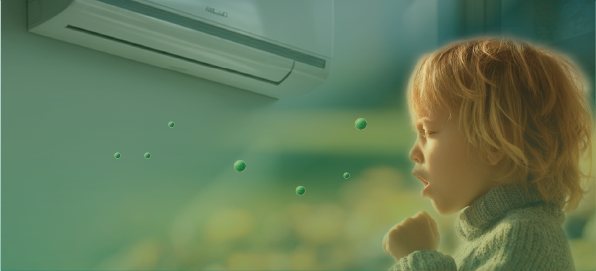
Mold exposure is an underestimated cause of respiratory allergies. This paper reviews key fungal allergens such as Aspergillus, Alternaria, Cladosporium, and Penicillium, highlighting their impact on asthma and allergic rhinitis. Spores and hyphal fragments can deeply penetrate airways, triggering immune reactions in both indoor and outdoor environments. With climate change and prolonged indoor living increasing exposure risks, greater clinical attention and public awareness are urgently needed.

Mold poses a significant threat to rare and ancient book collections, causing irreversible physical and chemical deterioration.