
YCM’s anti-mold sticker elevates mold prevention into micro-environment management, offering long-lasting, non-destructive protection for products during storage and transport. Backed by international testing and eco-friendly design, it strengthens brand reputation, reduces operational losses, and supports sustainability goals—empowering companies to deliver cleaner, more reliable products.

Discover how fungi interact with human skin — from harmless Malassezia to opportunistic molds like Aspergillus and Penicillium. Learn from CDC and EPA insights how to prevent fungal overgrowth and protect your skin’s health.
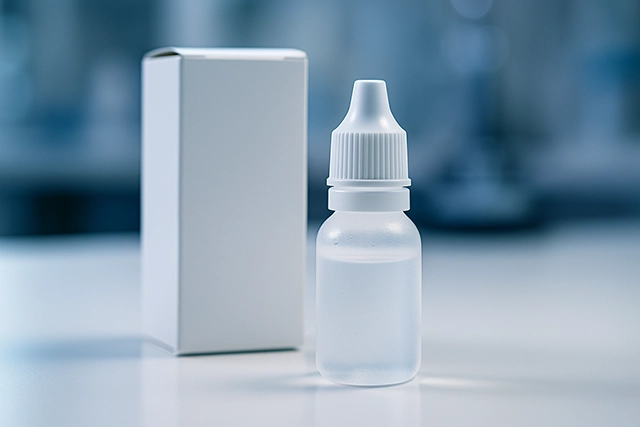
Fungal contamination in ophthalmic products, particularly preservative-free eye drops, poses a serious public health risk. Recent cases involving contaminated artificial tears have resulted in severe eye infections, corneal damage, and permanent vision loss.

Mold poses a significant threat to rare and ancient book collections, causing irreversible physical and chemical deterioration.

Sweating in summer often leads to clogged pores, which can cause folliculitis—inflammation of hair follicles triggered by bacteria, fungi, or irritation from shaving. Types include bacterial folliculitis, fungal acne (Malassezia), and pseudofolliculitis barbae.
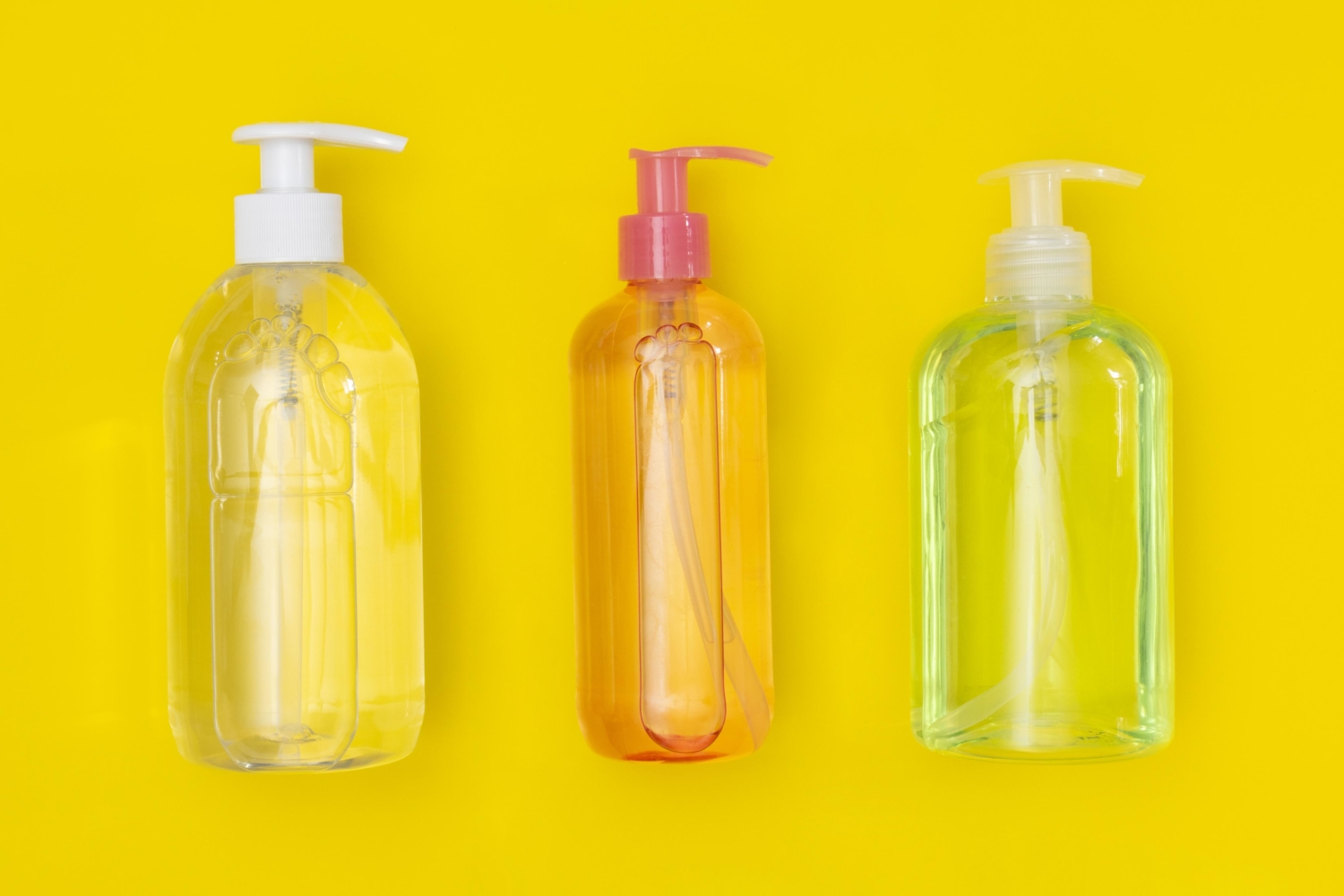
Not all products labeled “antibacterial” or “sterilizing” mean the same thing. Degermation reduces microbes, antibacterial products inhibit their growth, disinfection lowers microbes to safe levels, and sterilization eliminates them completely—mainly in medical use.

Refrigerators extend shelf life but do not kill bacteria or mold. In hot, humid summers, pathogens like E. coli and Staphylococcus aureus thrive, making safe storage essential. According to WHO, food should not stay at room temperature for more than two hours.
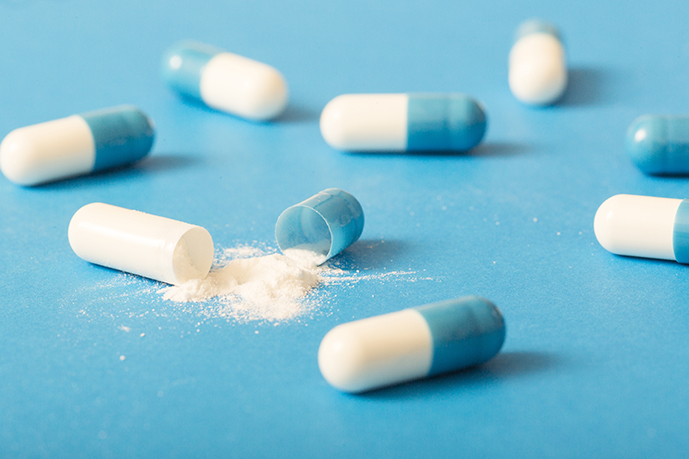
Antibiotics, derived from molds like Penicillium, transformed medicine by curing once-deadly bacterial infections such as tuberculosis and syphilis. However, they are not universal cures. Antibiotics treat bacterial infections but are ineffective against viruses like influenza or colds.
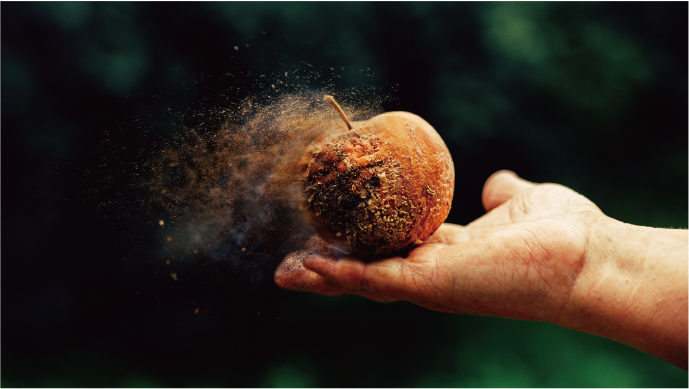
Mold is not only a nuisance but also a cornerstone of human civilization. In medicine, Penicillium led to the discovery of penicillin, revolutionizing treatment of bacterial infections. In food, Aspergillus oryzae enables the fermentation of soy sauce, miso, sake, and other traditional products, while Penicillium creates cheeses like blue cheese.
Mold spores are invisible but widespread, making them a hidden cause of allergic reactions. In Taiwan’s hot and humid climate, about 10% of people are sensitive to mold, often mistaking symptoms like itchy eyes, runny nose, or asthma for a cold.